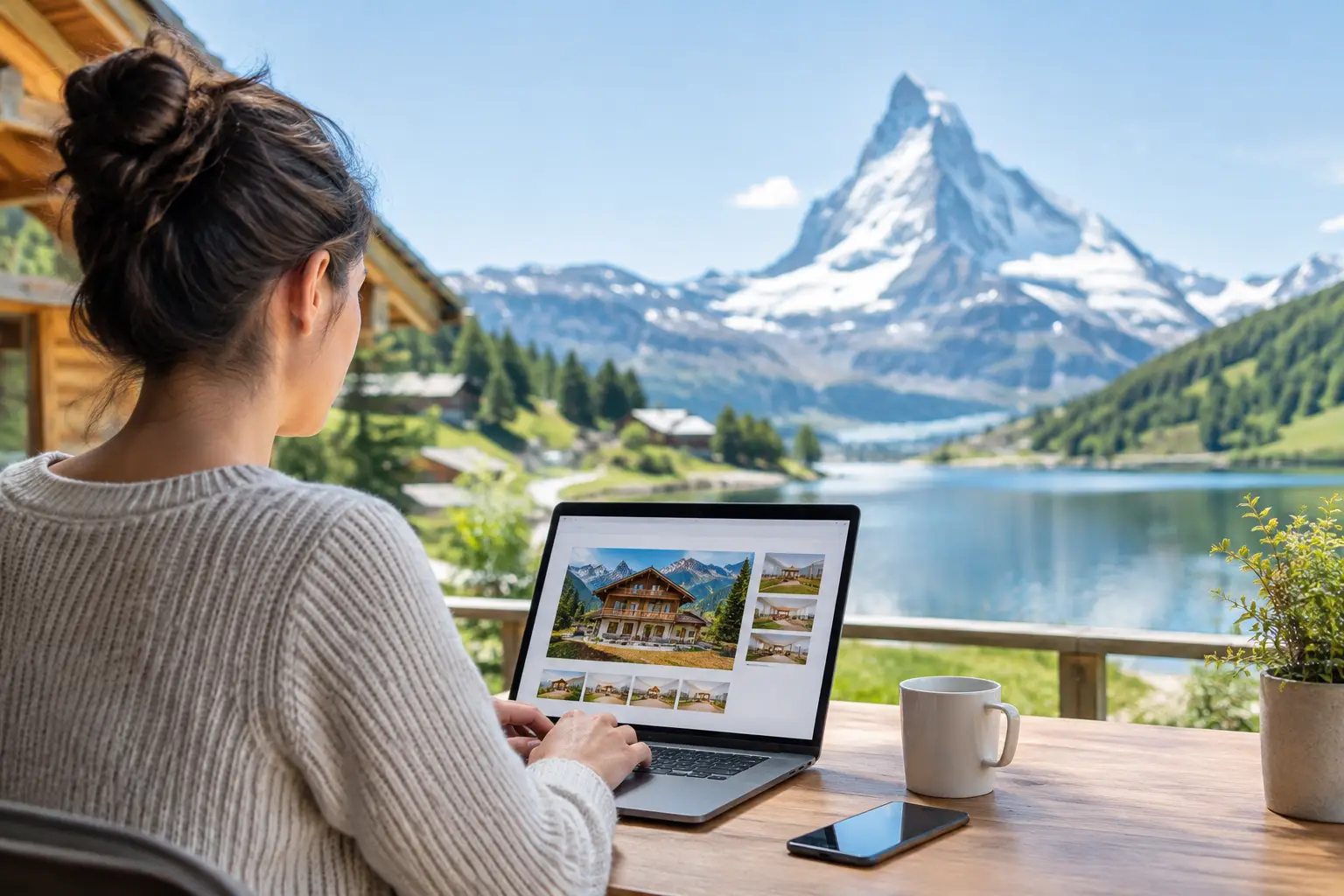
Property Management Technology for Hosts

A missed check-in message at 10:30 p.m., a double-booked weekend in peak ski season, and a tourism fee entered by hand into the wrong spreadsheet - this is usually the moment hosts start taking property management technology seriously. For short-term rentals, the challenge is rarely just getting bookings. It is keeping operations smooth when guest expectations are high and every detail affects the stay.
For holiday rentals, property management technology is not one single tool. It is the system behind the guest journey, from calendar updates and pricing to registration, housekeeping, communication, and reporting. Used well, it gives hosts more control and gives guests a better experience. Used poorly, it can add cost, complexity, and more software than a business actually needs.
What property management technology really means
The phrase covers a wide range of digital tools that help accommodation providers run properties more efficiently. In a short-term rental business, that often includes booking management, channel synchronization, automated guest messages, payment tracking, task coordination, and operational reporting.
For some hosts, this starts with replacing manual work. A chalet owner who manages reservations across several platforms may need a calendar that updates instantly everywhere. A small agency with multiple apartments may need cleaning schedules, guest records, and owner reporting in one place. A growing operator may need dynamic pricing, digital guest registration, and a better way to manage teams.
The common thread is simple. Good technology reduces friction. It helps hosts spend less time moving information between systems and more time improving the stay itself.
Why property management technology matters more in short-term rentals
Short-term accommodation moves quickly. Bookings can come in at any hour. Guests expect fast answers. Pricing changes with weekends, school breaks, events, and weather patterns. Operations need to stay accurate even when occupancy is high.
That pace is exactly why manual processes start to break down. A notebook, inbox, and spreadsheet can work for one property with occasional bookings. They usually become risky once a host adds more listings, more channels, or more frequent turnovers.
In Switzerland, there is an added layer of operational detail that makes efficiency especially valuable. Guest registration, local tourism processes, multilingual communication, and seasonal demand all require structure. Technology helps hosts stay organized without losing the warmth and local character that guests value.
The core tools hosts actually use
A property management system is often the center of the setup. It stores reservations, guest details, stay dates, unit information, and operational notes. Around that system, hosts may add other tools depending on their size and business model.
Channel management is one of the first upgrades many hosts need. It keeps availability and rates aligned across booking sources, which reduces the risk of double bookings and outdated calendars. For operators with several listings, this is not a luxury. It is a basic safeguard.
Messaging automation is another common layer. Scheduled pre-arrival instructions, check-in details, and checkout reminders help maintain consistency. The best systems still leave room for a personal touch. Guests appreciate efficiency, but they also notice when communication feels overly generic.
Pricing tools can also make a clear difference, especially in destinations with strong seasonal swings. Smart pricing software responds to demand patterns, booking pace, and local events. That said, automated pricing should not run on autopilot. Hosts still need to sense-check rates based on property quality, audience, and local positioning.
Task management tools support the part of hospitality guests never fully see but always feel. Cleaners, maintenance teams, and property managers need reliable schedules and clear instructions. When these tasks live inside the same operational system as bookings, turnovers become easier to coordinate.
Where the real value shows up
The immediate value of property management technology is time. Repetitive tasks shrink. Fewer messages need to be written from scratch. Fewer rates need to be updated manually. Fewer booking details need to be copied from one place to another.
But time savings are only part of the picture. Accuracy matters just as much. A synced calendar helps protect revenue. Structured guest information supports smoother arrivals. Clear task workflows reduce the chance of a missed clean or an unprepared property.
There is also a guest-facing benefit that is easy to underestimate. Better systems often create calmer stays. Guests receive the right information at the right time. Arrival feels organized. Questions are answered faster. Problems are easier to spot before they affect the experience.
For hosts focused on growth, technology also improves visibility into performance. It becomes easier to see occupancy trends, booking windows, average stay lengths, and channel mix. Those insights help with better decisions, whether the goal is stronger direct bookings, more efficient staffing, or improved seasonal planning.
The trade-offs hosts should think about
More software does not automatically mean better operations. This is where many businesses overbuy. A host with one or two properties may not need a complex enterprise setup. In some cases, a simpler system with fewer features is the better choice because the team will actually use it properly.
There is also the issue of integration. If the booking system, messaging platform, pricing tool, and guest registration process do not work well together, staff may end up doing manual fixes anyway. The result is a more expensive version of the same operational chaos.
Training matters too. Even intuitive tools need setup, rules, and clear ownership. Someone has to define message templates, check pricing logic, review task assignments, and keep listing content current. Technology supports hospitality, but it does not replace operational discipline.
Cost is another practical factor. Some tools are priced per property, some by booking volume, and some as layered subscriptions. Hosts should weigh software spend against actual operational gain, not just feature lists. A system that removes two hours of admin per day may be worth far more than a cheaper option that creates workarounds.
How to choose property management technology that fits
The best place to start is not with features. It is with friction. Where does the business lose time, make errors, or rely too heavily on manual work? For one host, the pain point may be calendar syncing. For another, it may be guest communication, cleaning coordination, or reporting.
Once that is clear, the next question is scale. A single holiday apartment has different needs than a regional portfolio of chalets and villas. Hosts should choose technology that fits the operation they run now while allowing room to grow.
Ease of use deserves serious attention. If a system looks powerful but feels difficult in everyday use, adoption will suffer. A cleaner should not need extensive training to confirm a turnover. A host should not need ten clicks to update a stay restriction. The best solutions are practical, not just impressive in a demo.
Support and local relevance also matter. In a destination-led rental market, the details of guest administration, tourism workflows, and accommodation operations are not minor extras. They affect daily execution. This is one reason many hosts prefer solutions built with the realities of their market in mind, rather than generic tools designed for every type of lodging in every region.
Technology should strengthen hospitality, not flatten it
One of the concerns hosts sometimes have is that automation can make a property feel less personal. That concern is valid. If every message sounds scripted and every guest interaction becomes transactional, the stay can lose the warmth that makes holiday rentals memorable.
The answer is not to avoid technology. It is to use it where consistency helps and keep the human touch where it matters most. Arrival instructions can be automated. A thoughtful recommendation for a local lake walk, village bakery, or mountain train route should still feel personal. Pricing can be data-informed. The guest experience still needs judgment and care.
This balance is especially important for distinctive stays. A lakeside apartment, alpine chalet, or family holiday home is not just inventory. It is part of a travel experience. The right technology supports that experience by removing friction behind the scenes.
For hosts building a more efficient short-term rental business, property management technology is no longer optional in any meaningful sense. The real question is not whether to use it, but how to choose tools that make hosting easier, protect quality, and leave more space for genuine hospitality. That is where better systems stop being software and start becoming part of a better stay.