How to Find Lakeside Stays in Switzerland
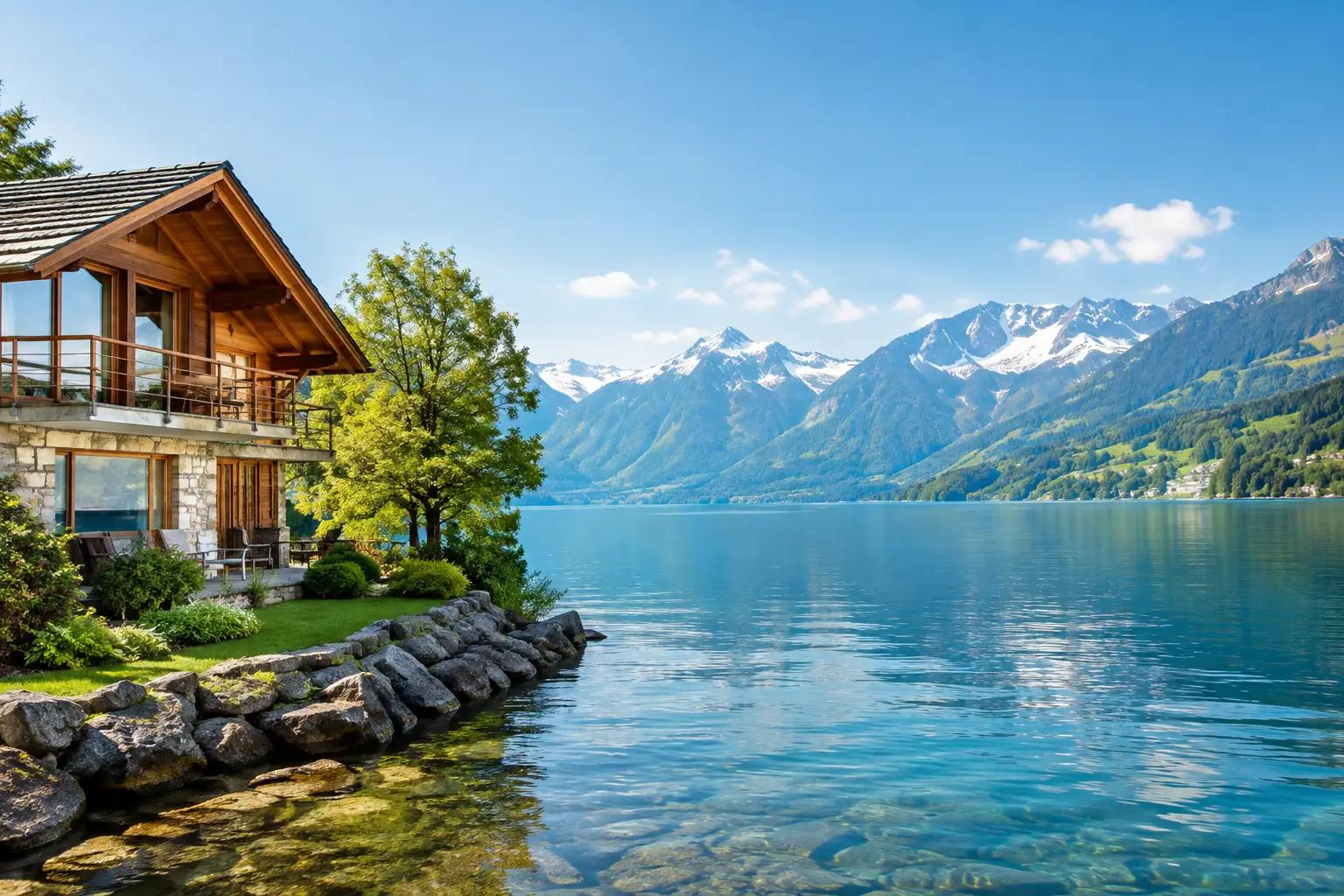
A lakeside address can change the rhythm of a Swiss trip. Breakfast on a balcony above still water, an evening swim a few steps from your door, or a short walk to a harbor promenade can make the stay as memorable as the destination itself. Knowing how to find lakeside stays means looking beyond a beautiful listing photo and choosing a property that truly fits the way you want to travel.
Switzerland offers many different lake experiences. Some stays sit beside lively resort towns with restaurants, boats, and rail connections. Others are tucked into quiet villages where the shore is shared with locals, cyclists, and early-morning swimmers. The best choice depends on whether you want activity at your doorstep, a peaceful base, or a balance of both.
Start with the kind of lake trip you want
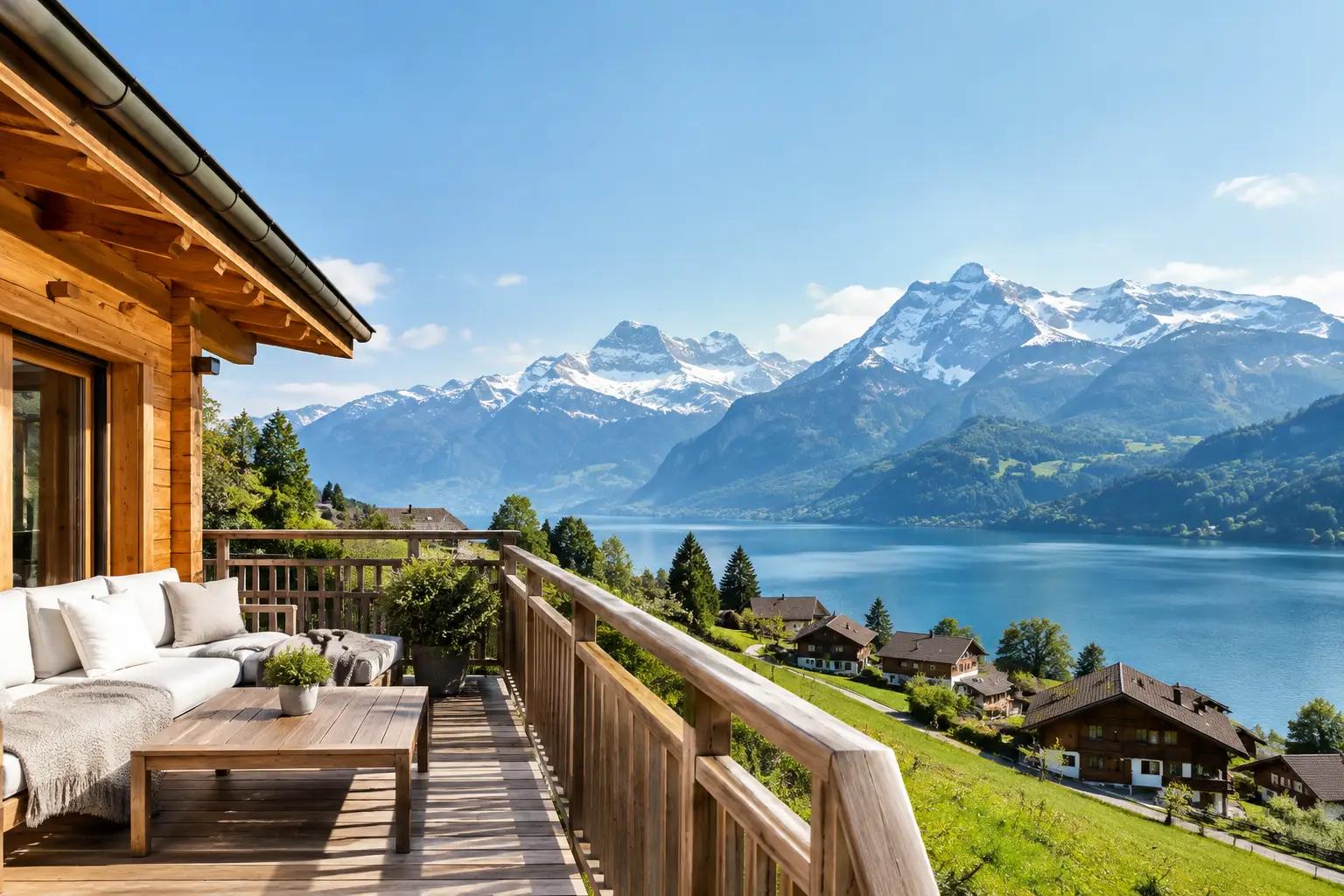
Before comparing properties, decide what “lakeside” means for your vacation. For some travelers, it means a private terrace facing the water. For others, it means being within walking distance of a public swimming area, boat pier, or lakeside trail. A property described as “near the lake” may still require a drive, especially in hillside villages where the view is wide but the shoreline is below.
Couples may prefer a smaller apartment in a walkable town, where dinner and sunset strolls need little planning. Families often benefit from easy shore access, a kitchen, parking, and enough room for unhurried mornings. Groups may prioritize a larger holiday home with outdoor dining space, while outdoor travelers may want secure storage for bikes, paddleboards, or hiking gear.
Being clear about your non-negotiables narrows the search quickly. A direct water view is wonderful, but it may matter less than a calm bedroom, a safe swimming area, or a nearby grocery store when traveling with children.
Choose the right Swiss lake and setting
Each region has its own pace, scenery, and practical advantages. Lake Geneva combines broad water views with vineyard landscapes, cities, and elegant lakeside towns. Lake Lucerne is a strong choice for travelers who want water, mountain excursions, and convenient transport connections in one trip.
In the Italian-speaking south, the lakes around Ticino bring a warmer atmosphere, palms, promenades, and colorful waterfront towns. Lake Thun and Lake Brienz offer classic alpine scenery, with opportunities to pair time by the water with mountain railways, hiking, and visits to the Bernese Oberland. Lakes in eastern Switzerland, including Lake Zurich and Lake Constance, can suit travelers seeking culture, cycling routes, and easy day trips.
The shore matters as much as the lake itself. A central waterfront location offers cafés, boat services, and a livelier atmosphere, but can bring more activity in peak season. A stay in a smaller nearby village may offer better value, more space, and quieter nights, though you may rely more on a car or local transit.
Decide between waterfront, water view, and walking distance
Use listing descriptions carefully. “Waterfront” usually suggests the property sits directly on the shore or has immediate access to it, but confirm whether the shore is private, shared, or public. “Lake view” may mean a panoramic outlook from a terrace or upper floor without direct access to the water. “Walking distance to the lake” can be ideal, but check the stated distance and terrain.
In Swiss lakeside destinations, elevation can be significant. A ten-minute walk downhill to the water may become a much longer return uphill, particularly with a stroller, beach bags, or limited mobility. Review the map location where available and consider how often you expect to move between the property and the lake.
How to find lakeside stays that match your needs
Once you have a preferred area, search with both location and amenity in mind. Look for terms such as lake view, waterfront, balcony, terrace, garden, private parking, air conditioning, elevator, and family-friendly. These details often determine whether a stay feels effortless after a day in the sun.
Read the full property description, not only the headline. It should make clear what is included, how guests access the property, and whether outdoor areas are private or shared. Photos are useful for understanding the setting, but they do not always show the route to the shoreline, neighboring buildings, or the orientation of a terrace.
A Switzerland-focused marketplace such as CH Rentals can make it easier to compare holiday homes, apartments, chalets, and distinctive stays with the destination in mind. Filter for the features that matter, then assess the property as part of the wider trip: transport, local services, shore access, and the experiences you want nearby.
Check access before you book
A well-located lakeside stay should work for your arrival as well as your days out. If you are driving, confirm parking arrangements and whether the access road is suitable for your vehicle. In historic town centers, parking may be off-site or limited, which is manageable when planned in advance.
If you are arriving by train, consider the distance from the station and the availability of buses, taxis, or boats. In many lake regions, public transportation is part of the experience rather than simply a way to get around. A boat ride can connect you to villages, museums, trailheads, and restaurants while giving you a different view of the landscape.
For families and travelers with accessibility needs, look for practical features such as step-free entry, an elevator, nearby parking, and a flat route to the water. These are more valuable than an impressive view if the property is otherwise difficult to use comfortably.
Look beyond the view
The strongest lakeside stays support the small moments of a vacation. A kitchen allows for an easy breakfast before swimming. Laundry facilities help with wet towels and longer trips. Outdoor seating turns a lake view into a place to linger rather than something seen only through a window.
Consider the sun exposure too. East-facing terraces are lovely for morning coffee, while west-facing spaces can be especially appealing for late-day light. During warmer months, shade, shutters, fans, or air conditioning may make a considerable difference. In spring and fall, heating and a cozy indoor living area become more important, particularly in properties close to the water.
Noise is another trade-off worth considering. A central promenade can be vibrant and convenient, while a secluded shore may be quieter but farther from shops and dining. Neither is automatically better. The right setting is the one that matches your preferred pace.
Plan around the season
Summer is ideal for swimming, boat trips, outdoor dining, and long evenings by the water. It is also the period when the most popular shorefront properties are in highest demand. Booking earlier gives you more choice, especially for school vacation dates and properties with direct lake access.
Spring brings fresh scenery, fewer crowds, and excellent conditions for walks and cycling, although water temperatures may still be cool. Fall can be especially rewarding around vineyard regions, with softer light and a calmer atmosphere. Winter lakeside stays have their own appeal, particularly when combined with city breaks, wellness, or nearby mountain activities, but seasonal boat schedules and restaurant hours may be reduced.
Check what will be open during your dates rather than assuming summer services run year-round. This simple step helps set the right expectations for a quieter stay.
Ask the questions that photos cannot answer
Before reserving, clarify anything that could affect your comfort. Is swimming possible directly from the property? Is there a public beach or bathing area nearby? Are boats, kayaks, or paddleboards available locally? Does the property have a private dock, and if so, is guest use included?
It is also sensible to ask about the exact view from the unit, outdoor furniture, parking, Wi-Fi, and any local considerations such as train noise or a steep approach. Clear answers help you book with confidence and avoid surprises after arrival.
A lakeside stay is not only about being close to the water. It is about choosing a place that lets you enjoy it naturally, whether that means a quiet coffee above the shore, an afternoon on a boat, or an easy walk home after dinner. Choose the setting that fits your travel style, leave room in your itinerary for unplanned moments by the lake, and let Switzerland’s shoreline set the pace.