Swiss Tourism: Plan a Stay That Feels Local
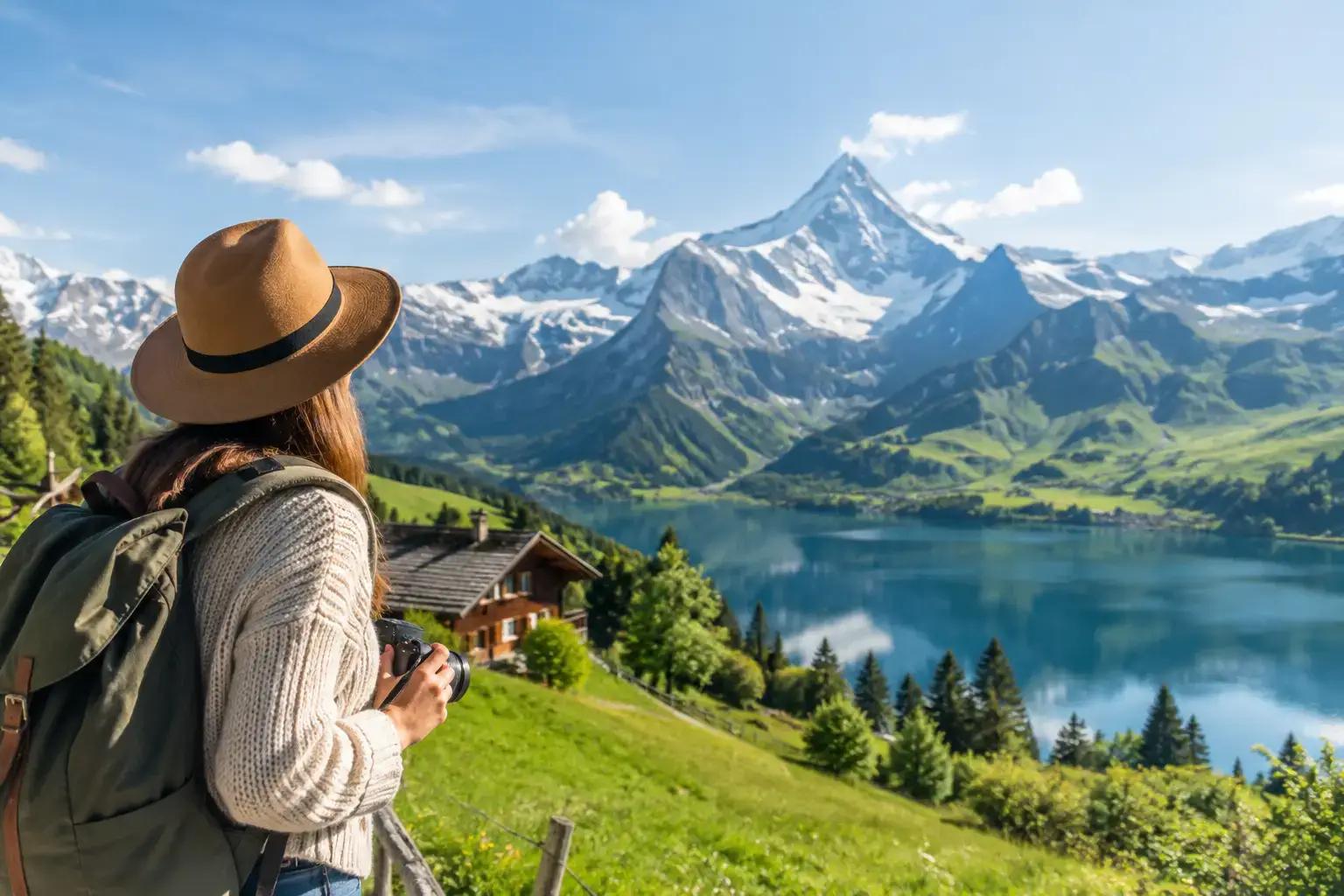
A morning train climbing toward snow-dusted peaks, a swim in a clear lake after lunch, and dinner in a village where the evening bells carry across the valley: Swiss tourism is at its best when the trip leaves room for these moments. The country rewards travelers who choose a good base, plan with the seasons, and look beyond the obvious landmarks.
Switzerland may be compact on a map, but its experiences are remarkably varied. A city break in Zurich or Geneva feels entirely different from a week in a chalet above the Engadin Valley, a family stay near Lake Lucerne, or a quiet escape among the vineyards of Vaud. The right accommodation does more than provide a place to sleep. It sets the pace, shape, and feeling of the entire trip.
What Makes Swiss Tourism So Memorable
Switzerland brings together landscapes, culture, and everyday ease in a way that makes even a short visit feel full. Mountain railways and well-marked trails make high-alpine scenery accessible, while lakeside promenades, historic town centers, and local food give each destination its own character. You can spend the morning hiking, the afternoon visiting a museum, and the evening sharing a meal on a terrace without trying to force too much into one day.
The contrast between regions is a major part of the appeal. The French-speaking west has a different rhythm, cuisine, and architectural character from the German-speaking heartland. Ticino combines Mediterranean warmth with Alpine scenery, while Graubunden offers wide valleys, traditional villages, and exceptional access to the mountains. Travelers who stay in one region for several nights often experience more than those who move every day.
There is also a practical side to the Swiss experience. Public transportation can connect airports, cities, lake towns, and mountain resorts efficiently, but a rental car can make sense for remote valleys, families carrying outdoor gear, or travelers who want to explore smaller villages at their own pace. The best choice depends on your route, accommodation location, and how much flexibility you want.
Choose Your Swiss Base Before Building the Itinerary
It is tempting to create an itinerary around a long list of famous places. A better approach is to begin with the kind of stay you want, then select a base that supports it. This creates a calmer trip and makes room for the unexpected moments travelers remember most.
For mountain time and outdoor days
Interlaken, Grindelwald, Wengen, Zermatt, Verbier, St. Moritz, and Davos are well-known for good reason, but they serve different travel styles. Interlaken is a convenient hub for lake and mountain excursions. Zermatt is ideal for travelers drawn to dramatic high-alpine views and car-free village life. The Engadin is a strong choice for hiking, biking, cross-country skiing, and bright, open mountain scenery.
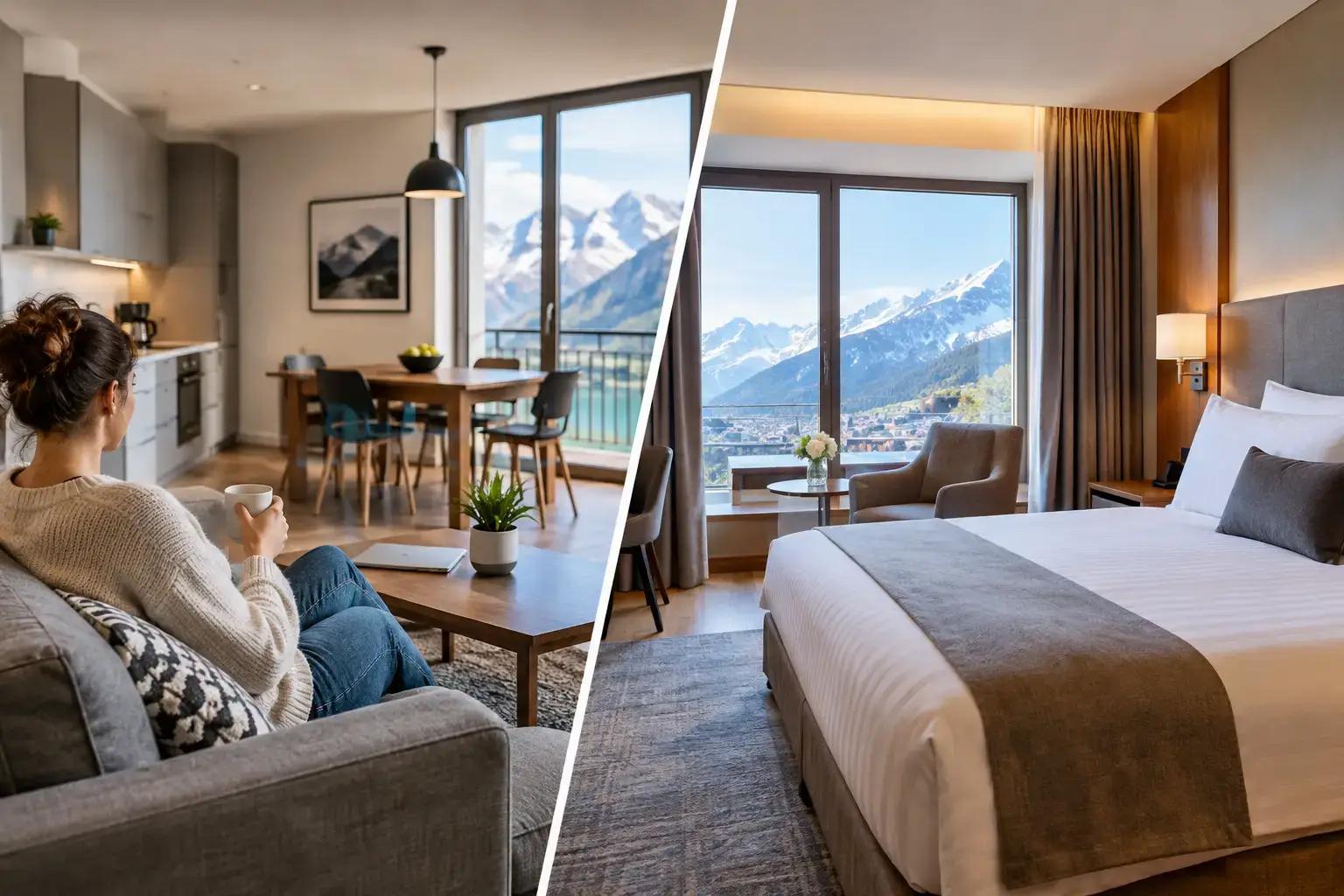
For a longer stay, an apartment or chalet can be especially practical. A kitchen makes early departures and relaxed dinners easier, while extra living space gives families and groups room to unwind after an active day. Before booking, check the walking distance to lifts, trails, grocery stores, and transit stops. In mountain destinations, a beautiful view can come with a steep road or limited evening transport.
For lakes, cities, and culture
Lake Lucerne offers a classic mix of water, mountains, and a lively historic city. The Lake Geneva region pairs vineyard walks, museums, lakeside dining, and day trips between Lausanne, Montreux, and Geneva. Zurich works well for design-minded travelers, food lovers, and visitors who want a polished city base with easy access to nature.
A vacation rental in or near a city can offer a more residential perspective. Rather than rushing from one attraction to the next, you can shop at a neighborhood bakery, prepare a simple breakfast, and experience the city at a more natural pace. This is particularly valuable for stays of three nights or more.
For slower, lesser-known escapes
Some of the most rewarding trips happen outside the busiest resort centers. Appenzell’s rolling landscapes, the Jura’s quiet trails, the Valais side valleys, and villages in the Bernese Oberland can suit travelers who value local atmosphere over packed sightseeing schedules. These areas may require more careful transport planning, especially outside peak season, but that trade-off can bring more space, quieter evenings, and a stronger sense of place.
Plan Swiss Tourism Around the Season
There is no single best time to visit because the ideal season depends on what you want to do. Summer is made for hiking, lake swimming, scenic rail journeys, and long outdoor evenings. Higher trails may not open until snow conditions allow, so travelers planning a mountain-focused vacation should check local conditions before setting their route.
Autumn is often a wonderful choice for colorful forests, vineyard landscapes, and fewer crowds in many areas. It is also a time when some mountain lifts, hotels, and restaurants may close briefly between summer and winter seasons. A little advance planning matters more during these transition weeks.
Winter brings skiing, snowboarding, sledding, winter walking, and cozy village stays. It is also an excellent season for travelers who want mountain scenery without skiing every day. Choose a destination with accessible winter paths, a village center, and activities that suit everyone in your group.
Spring can be ideal for cities, lower-elevation hikes, and lakeside regions as the landscape turns green. In the Alps, however, it can be a mixed period between seasons. Flexible travelers will find value and peaceful scenery, while those with specific high-altitude plans may prefer summer or winter.
Make the Accommodation Part of the Experience
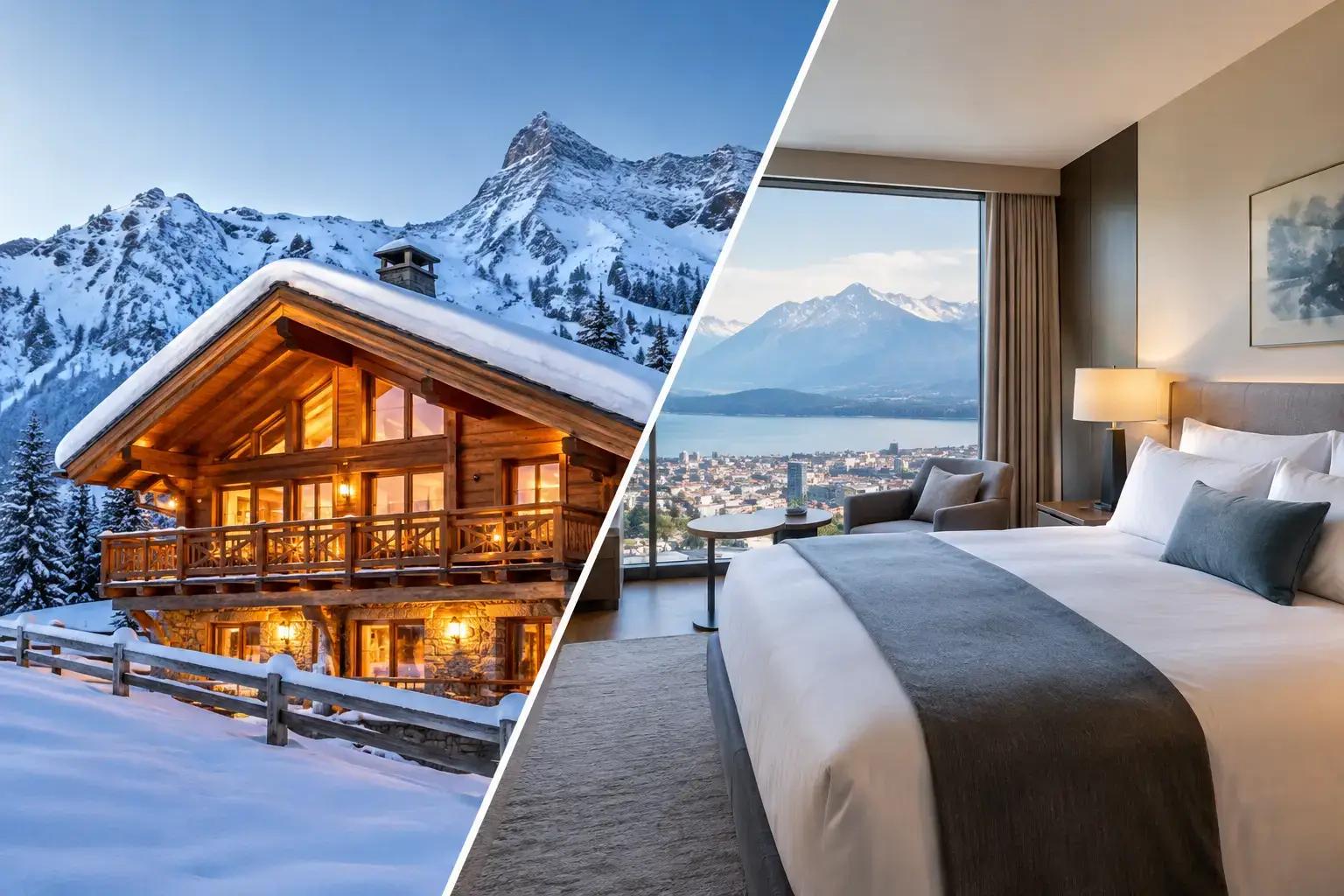
The strongest Swiss vacations are not built around a generic room. They are shaped by where you wake up, how easily the day begins, and whether the space fits the people traveling with you. A lakeside apartment may be perfect for a couple seeking relaxed mornings and evening walks. A large chalet can make a multigenerational family trip far more comfortable. A centrally located loft may suit a business traveler who wants to add a weekend of culture and dining.
Start with the essentials: number of bedrooms, parking, elevator access, laundry, workspace, pet policies, and kitchen equipment. Then consider the details that change a trip from convenient to memorable, such as a balcony, fireplace, mountain view, ski storage, garden, or easy lake access.
It also helps to read the location description carefully. “Near” a destination can mean a short walk, a bus ride, or a drive on mountain roads. Travelers who value quiet should consider the distance from nightlife and major transit routes. Those without a car should prioritize walkability and public transportation. Clear expectations lead to better stays for guests and smoother operations for hosts.
Leave Space for Local Experiences
A well-planned day in Switzerland does not need to be crowded. Pair one main activity with time to wander, stop for lunch, or change plans when the weather shifts. Take a lake boat rather than always choosing the fastest route. Visit a local market. Book a table in a village restaurant. Ask your host which trail, bakery, swimming spot, or viewpoint residents genuinely enjoy.
Food is part of the regional story, too. Cheese dishes are closely associated with the mountains, but Switzerland offers far more than fondue and raclette. Look for regional specialties, seasonal produce, local wines, and small producers. The experience will vary from a Ticino grotto to a lakeside terrace in Vaud or a mountain restaurant in Graubunden.
For families, balance matters. A short scenic walk, a playground by the lake, a mountain railway, and an unhurried meal can be more enjoyable than a full day of transfers. For couples, choosing one exceptional setting for a sunset walk or a long dinner often creates more impact than checking off several attractions.
A Better Experience for Guests and Hosts
Quality accommodation is central to the future of Swiss tourism. Travelers want trustworthy information, responsive communication, and stays that feel connected to the destination. Hosts need visibility among guests who are actively looking for Switzerland, along with practical tools that make guest operations easier and more reliable.
For property owners, clear photography, accurate amenity details, transparent house information, and timely communication build confidence before arrival. Local recommendations can be equally valuable. A simple, thoughtful guide to transportation, groceries, seasonal activities, and respectful neighborhood habits helps guests settle in quickly.
CH Rentals is designed around this shared goal: helping travelers find distinctive places to stay while giving Swiss hosts a focused platform to present their properties and welcome the right guests. When the booking experience is clear and the stay reflects its setting, everyone benefits.
Your next Swiss trip does not need an overpacked schedule to feel extraordinary. Choose a place that gives you time to arrive, a region that matches your interests, and a home base you will be happy to return to at the end of each day.