Switzerland Family Travel Planning Guide
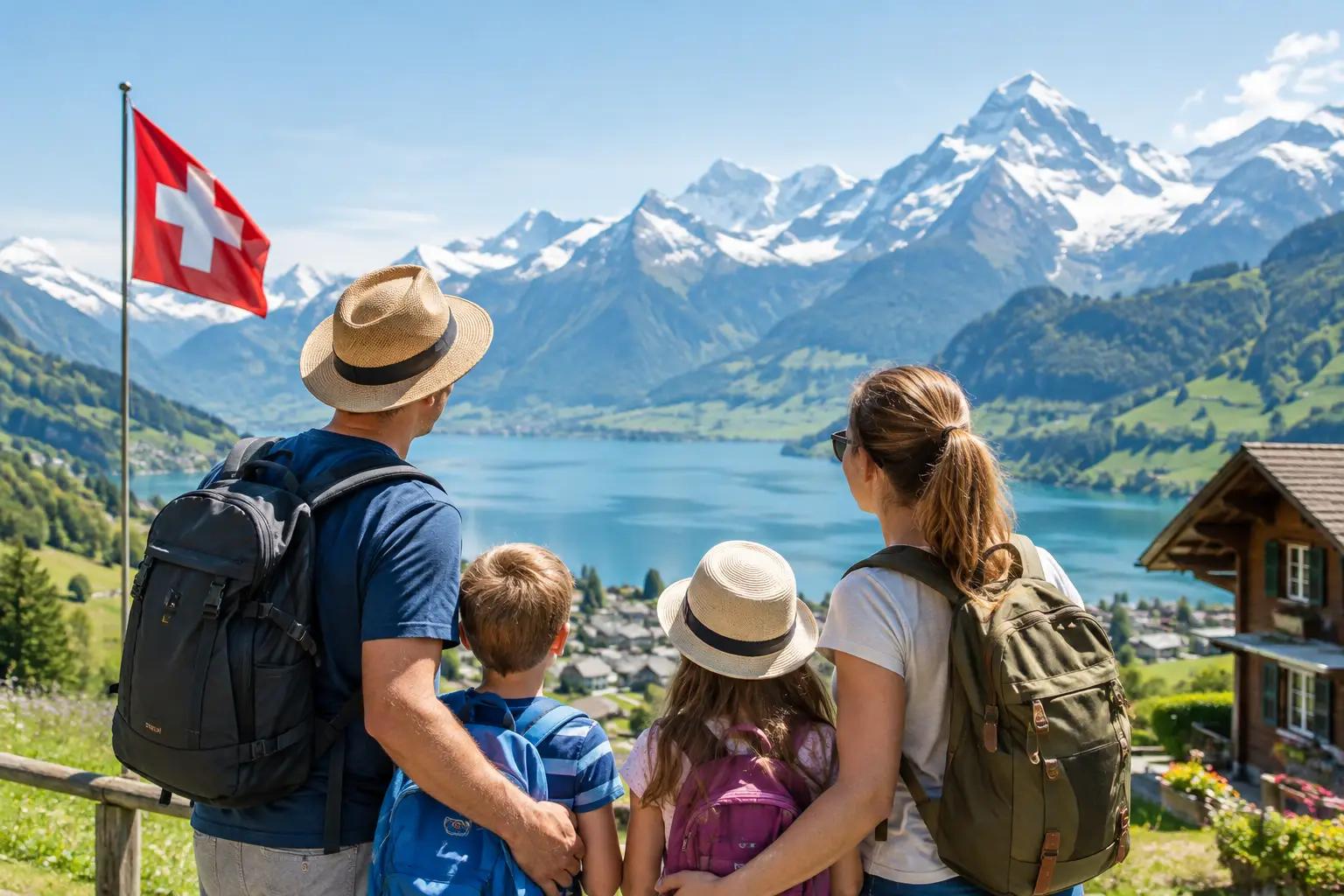
A Swiss family vacation can begin with a lake swim before breakfast and end with children falling asleep after a mountain train ride. The key is not trying to see every famous view in one trip. This Switzerland family travel planning guide helps you build a trip around the things that make family travel work: a comfortable home base, realistic travel days, room to play, and plans that can change with the weather.
Start with one region, not the whole country
Switzerland is compact on a map, but alpine roads, train connections, lake crossings, and the natural pull of a beautiful village can make travel days longer than expected. For most families, choosing one main region and adding only one secondary stop creates a calmer, more rewarding vacation.
For lake days, easy walks, and city convenience, consider the areas around Lake Geneva, Lake Zurich, Lucerne, or Ticino. Lucerne works especially well for a first family trip because the lake, old town, boats, museums, and mountain excursions are close together. The Bernese Oberland suits families looking for classic alpine scenery, car-free villages, and outdoor activities. Graubunden is a strong choice for quieter mountain stays, scenic rail journeys, and time outside in every season.
The right region depends on your children’s ages and your travel style. Families with toddlers often benefit from a lakeside or valley base with short outings and playgrounds nearby. Families with school-age children may enjoy a mountain village with gondolas, easy hiking trails, and a swimming pool. Teenagers may prefer a mix of active days and independent time in a walkable town.
A useful rule is to stay at least three nights in each accommodation. Four to seven nights in one place is even better when you have young children, a stroller, sports equipment, or simply want a vacation that feels like a vacation.
Choose accommodations that give everyone room
Hotel stays can be convenient for a night or two, but a holiday rental often changes the rhythm of a family trip. A separate bedroom lets younger children keep their usual sleep schedule. A kitchen makes early breakfasts and simple dinners easier. Laundry facilities mean you can pack lighter, especially if hiking, swimming, or winter weather are on the itinerary.
When comparing family-friendly stays, look beyond the number of beds. Check whether the property has an elevator if you are traveling with a stroller, a parking space if you plan to drive, and a dining table large enough for relaxed meals. Outdoor space, a balcony, a garden, or proximity to a playground can be more valuable than extra square footage.
Location matters just as much. A rental near a train station can reduce daily logistics, while a chalet outside a village may offer more privacy and mountain views. Neither is automatically better. A central apartment is practical if you want to explore without driving; a countryside home is ideal when the accommodation itself is part of the experience. CH Rentals makes it easier to compare Swiss stays by destination, property type, and amenities, so families can choose a base that fits the trip they actually want to take.
Ask these practical questions before booking
Confirm the sleeping layout rather than relying on room labels. A sofa bed may be fine for teenagers but less suitable for a child who needs an early bedtime. If you need a crib, high chair, baby gate, or bathtub, ask in advance because family equipment varies by property.
Also check the walk from parking or public transportation to the front door. Many Swiss villages have cobbled streets, hills, or limited vehicle access in their historic centers. These details rarely spoil a trip, but knowing them ahead of time prevents an awkward arrival after a long flight.
Build a Switzerland family travel planning guide around pace
The best family itineraries leave space between the headline experiences. Plan one major activity per day, then keep a lighter option ready: a lakeside promenade, a village playground, a local bakery stop, or an hour at the accommodation before dinner.
Mountain excursions are memorable, but they can take most of a day once transfers and changing weather are factored in. Start early for popular routes, bring an extra layer even in summer, and check conditions before you leave. If clouds roll in, shift to a boat ride, transport museum, indoor pool, chocolate experience, or a relaxed town afternoon instead of forcing a mountaintop plan.
Train travel is one of the easiest ways to move around Switzerland with children. Stations are generally well organized, and scenic routes turn the journey into part of the day. Still, avoid stacking too many long rail days. A two-hour journey can become a half-day outing once you include packing up, platform changes, snacks, bathroom breaks, and the irresistible need to watch every passing cow.
For a first visit, a simple seven-night rhythm could look like this: four nights in one lake or mountain region, followed by three nights in a second destination with a different feel. That might mean Lucerne followed by the Bernese Oberland, or Lake Geneva followed by a quieter alpine valley. The goal is contrast without constant check-ins and check-outs.
Plan for every season, not just the forecast
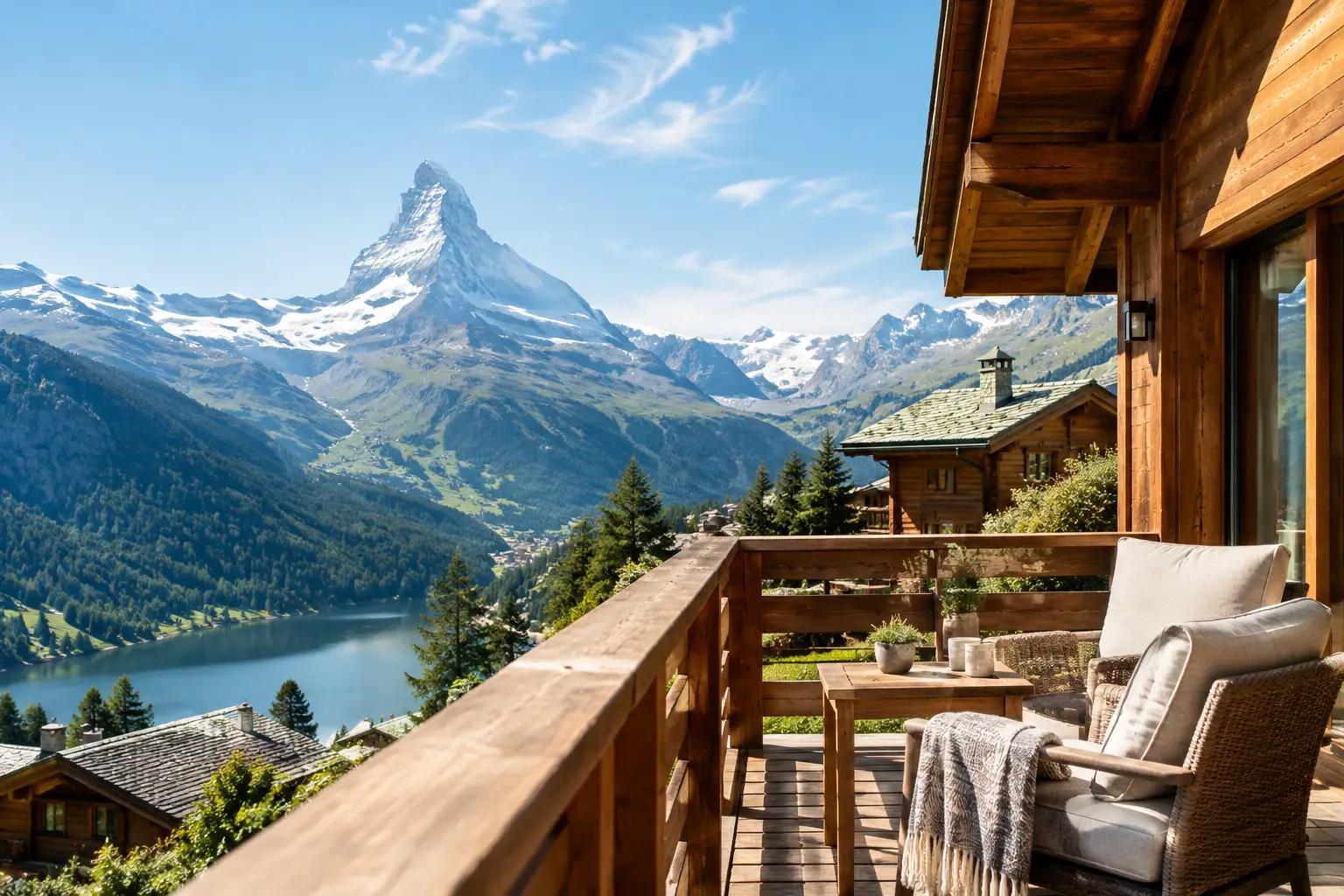
Summer is excellent for hiking, lakes, mountain railways, and long evenings outdoors. It is also popular, so booking a well-located family rental early gives you more choice. Pack swimwear alongside walking shoes. Swiss lakes can be a highlight for children, and many towns have well-kept swimming areas, lawns, and shaded spots for a picnic.
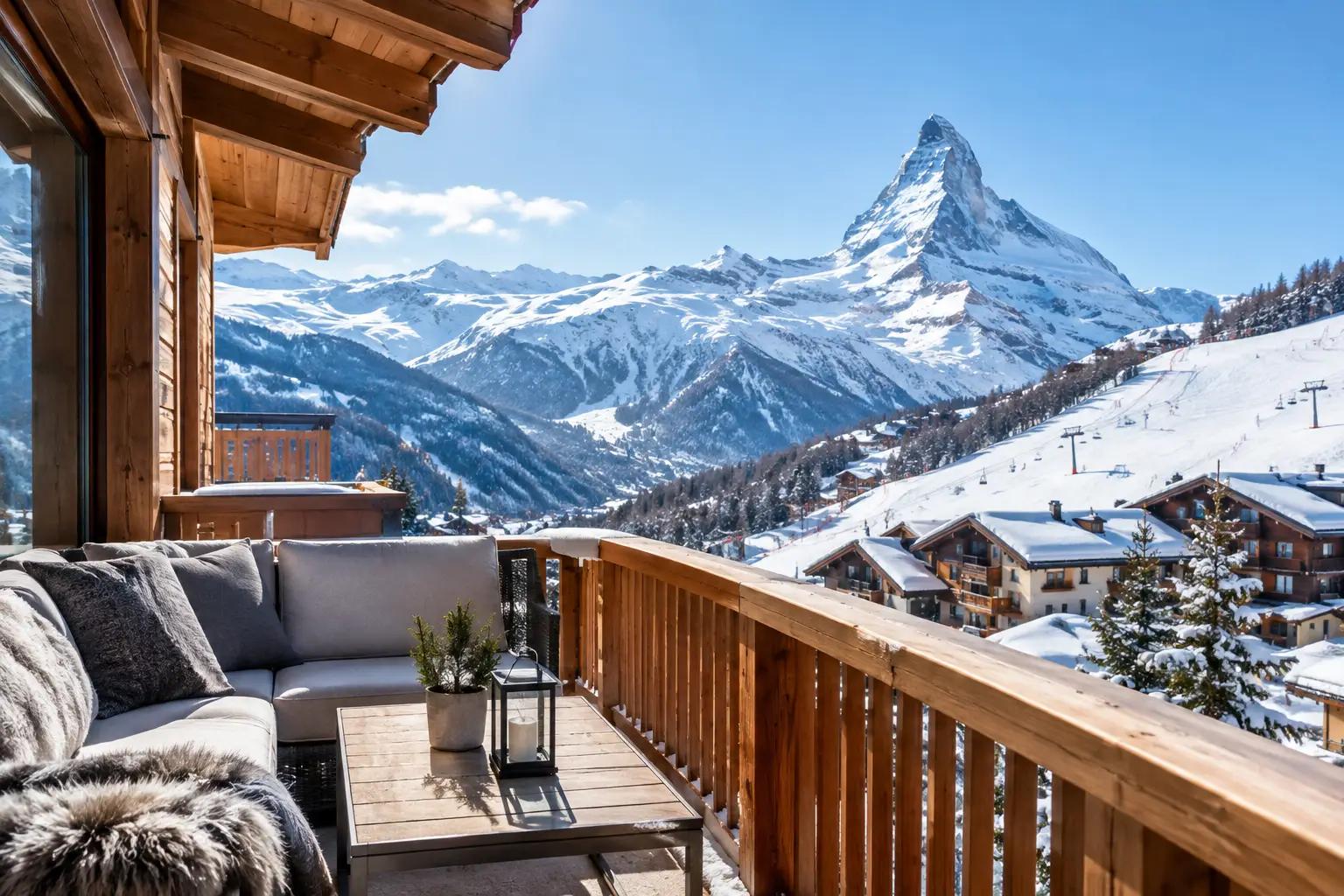
Winter brings skiing, sledding, snow play, and cozy village evenings. Families new to snow sports may prefer a resort with beginner areas close to the village, straightforward equipment rental, and non-ski activities for mixed-energy days. A property with space to dry boots and store outerwear is a genuine advantage.
Spring and fall can offer fewer crowds and a slower pace, although some mountain lifts, restaurants, and attractions may operate on reduced schedules between seasons. These months work well for city-and-lake itineraries, lower-altitude walks, and family time in a spacious apartment or holiday home. Always verify seasonal opening dates for the experiences that matter most to your group.
Make transit and arrival day easier
For U.S. travelers, the first day often feels shorter than expected after an overnight flight. If possible, avoid a complex transfer immediately after landing. Choose an arrival-night stay with simple access, then begin bigger adventures after everyone has slept.
Public transportation is excellent for many family trips, but a rental car can make sense in rural regions, with very young children, or when you are carrying substantial gear. The trade-off is that parking can be limited or paid in city centers and popular resort towns. If you plan to drive, select accommodation with confirmed parking rather than assuming it will be available.
Bring a small day bag with water, snacks, sunscreen, tissues, and a light rain layer. Swiss tap water is widely enjoyed, and refillable bottles are useful on trains and walks. For electronics, travelers from the U.S. will need a plug adapter, and it is wise to confirm whether your devices support the local voltage.
Leave room for small Swiss moments
Families often remember the unplanned parts of a trip most clearly: buying pastries from a village bakery, hearing cowbells on a hillside path, sharing fondue after a rainy afternoon, or watching boats cross a clear lake. You do not need to schedule those moments. You need an itinerary with enough breathing room for them to happen.
Before departure, save your accommodation address, host contact details, transport confirmations, and a short list of nearby grocery stores and pharmacies. Then let the days unfold at a human pace. A thoughtfully chosen home base and a little flexibility will help your family enjoy Switzerland not as a checklist, but as a place you can settle into together.