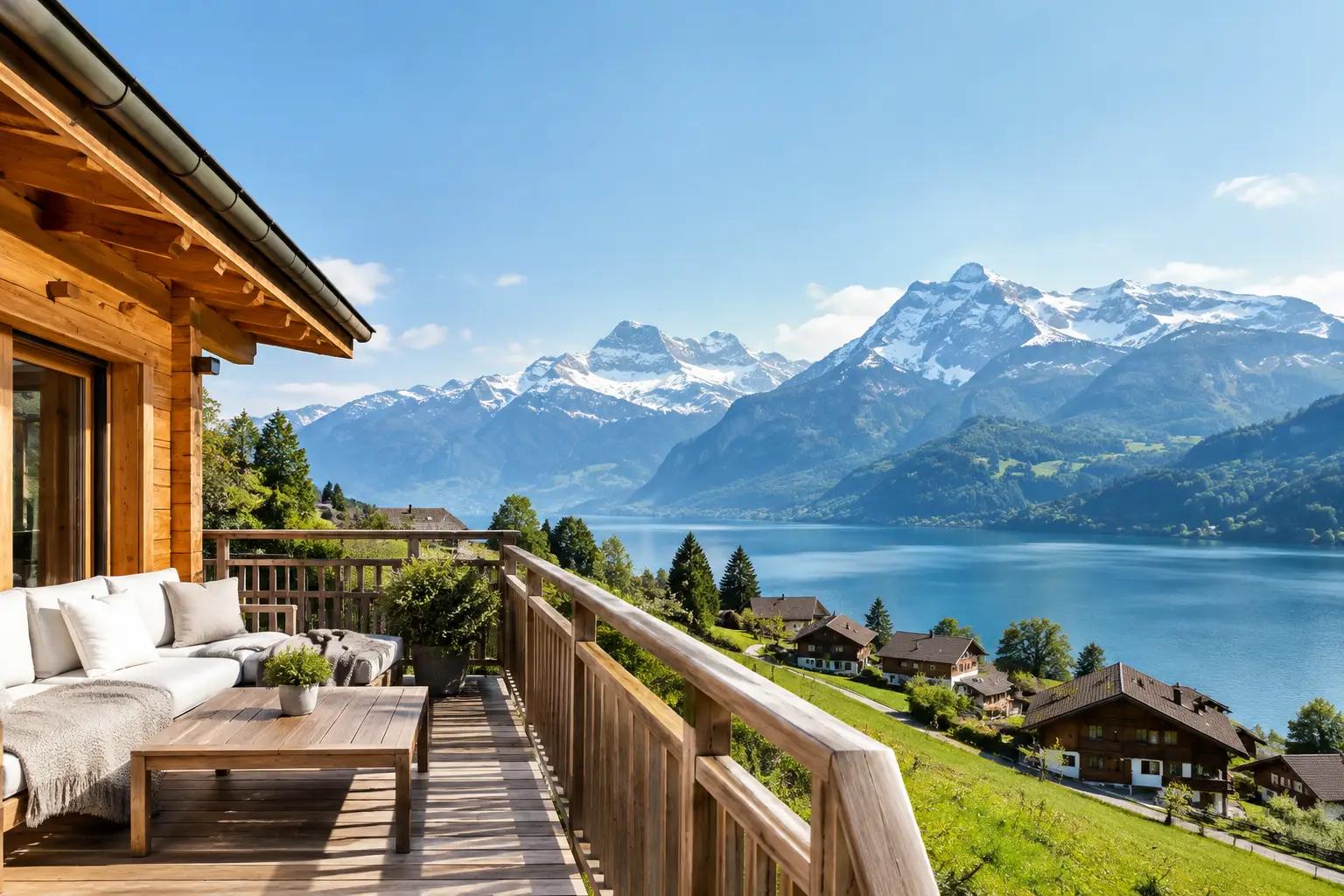
Direct Booking vs OTA: Which Stay Fits You?

A lakeside apartment in Ticino, a family chalet near the slopes, or a city loft for a weekend in Zurich can all look perfect on a screen. But before confirming the reservation, travelers often face one practical choice: direct booking vs OTA. The best route is not always the same. It depends on how you like to plan, the support you need, and the kind of relationship you want with your accommodation provider.
For hosts, the question is equally meaningful. Online travel agencies, commonly called OTAs, can introduce a property to a wide audience. Direct bookings can build guest loyalty, create more control over the stay, and support a stronger long-term business. A balanced approach usually serves both sides best.
Direct booking vs OTA: what is the difference?
A direct booking is made with the accommodation provider, often through the property’s own website, an inquiry form, email, or phone. The guest communicates directly with the host or property manager before and after booking.
An OTA is an online travel agency that presents many accommodations in one place. It gives travelers a familiar search experience, with availability, filters, booking tools, and payment processes designed to make comparison quick.
Neither option is automatically better. A traveler reserving a one-night business stay may value speed and familiar booking steps. A family arranging a two-week mountain holiday may prefer to ask detailed questions about parking, child-friendly equipment, ski storage, or the walk to the nearest lift. The right booking path should make the trip feel clear and comfortable from the start.
Why travelers may prefer booking direct
The most valuable part of booking direct is often the conversation. A host can answer questions that do not fit neatly into an amenities list: whether the terrace gets afternoon sun, how steep the road is in winter, where to pick up fresh bread, or which hiking trail works well with younger children.
This local knowledge matters in Switzerland, where a short distance on a map can mean a very different journey by train, cable car, or mountain road. A direct conversation can help guests choose a stay that suits their actual plans rather than simply their preferred photos.
Direct booking can also make special requests easier to discuss. Guests may want an earlier arrival, advice on bringing a dog, a high chair, secure bike storage, or recommendations for a special occasion. Availability and policies still apply, of course, but clear communication gives both guest and host the chance to set expectations before arrival.
For repeat guests, booking direct can feel especially natural. They already know the property, the host understands their preferences, and the planning process can be more personal. That familiarity is a real advantage for annual ski weeks, summer lake breaks, or regular work trips.
What to check before you book direct
A direct booking should still feel professional and transparent. Confirm the total price, what is included, payment timing, cancellation terms, check-in instructions, and the contact person for questions during the stay. Ask for written confirmation that clearly identifies the accommodation, dates, number of guests, and agreed conditions.
Travelers should also make sure they are booking through a legitimate, verified channel. A well-presented property page, complete contact details, clear policies, and responsive communication are useful signs. Taking a few minutes to confirm the details helps protect the relaxed feeling a vacation should begin with.
When an OTA can be the better choice
OTAs are useful when travelers are still exploring. Perhaps the destination is not fixed, dates are flexible, or the priority is comparing several neighborhoods and accommodation types quickly. Search filters can narrow a large number of options by price range, guest capacity, parking, kitchen facilities, pet policies, or accessibility features.
They can also offer reassurance for travelers who prefer a standardized booking flow. A guest may feel more comfortable managing confirmation details, messages, and payments in one familiar account, particularly when booking from abroad or arranging a short stay on limited time.
For a first visit to Switzerland, an OTA can be a practical starting point for research. Once travelers have identified the region and style of stay they want, they can focus on the details that shape the experience: proximity to rail connections, mountain views, space for equipment, or a quiet base near a village center.
The trade-off is that broad comparison does not always reveal the full character of a property or destination. Listing descriptions are helpful, but they cannot replace a host’s personal answer about the best local swimming spot, the easiest arrival route, or whether a particular apartment is suited to a toddler’s bedtime routine.
A smarter way to choose as a traveler
Start with the complexity of your trip. For a simple overnight stay with fixed dates, a broad booking platform may provide everything you need. For a longer holiday, group trip, or stay with specific requirements, direct contact can be worth the extra few minutes.
Then compare the complete offer, not only the nightly rate. Look at final pricing, cleaning fees where applicable, included services, cancellation terms, arrival arrangements, and the level of support available. A lower headline rate is only one part of the decision.
Finally, consider the experience you want. If local recommendations and personal contact would make the trip more enjoyable, choose a route that makes that connection possible. If you want to browse many options efficiently, begin with a platform built for discovery. The goal is not to follow a rule. It is to reserve with confidence.
What direct booking means for hosts
For accommodation providers, direct bookings create an opportunity to own more of the guest relationship. Instead of receiving only essential reservation details, hosts can share arrival guidance, answer practical questions, recommend local experiences, and invite guests to return in another season.
That does not mean hosts should rely on a single channel. OTAs can be valuable for visibility, especially for newer properties, quieter travel periods, or homes in destinations guests may not yet know. They help place an accommodation in front of travelers actively searching for a stay.
A strong distribution strategy often uses both. OTAs can support discovery, while a clear direct booking presence gives interested guests a trusted way to learn more and book again. The balance will depend on the property, location, seasonality, operational capacity, and target guest.
Make direct booking easy to trust
Guests will only book directly if the process feels at least as clear as other options. Hosts should keep availability accurate, reply promptly, and present complete property information. High-quality photos matter, but practical details are just as important: bed layouts, parking, public transportation access, check-in steps, Wi-Fi, outdoor areas, and house rules.
Transparent terms are essential. Show the total price clearly, explain cancellation conditions in plain language, and provide a reliable confirmation process. Hosts also need to manage guest registration, tourism-related requirements, and local obligations correctly. Good operations are not just behind-the-scenes work. They shape guest confidence from the moment a booking is made.
For many Swiss hosts, a specialized platform such as CH Rentals can add a useful middle ground: destination-focused visibility, travelers actively interested in Switzerland, and technology designed around holiday rental operations. The aim is not simply more inquiries. It is better-matched guests and an easier journey from discovery to arrival.
The best choice is often a balanced one
Direct booking and OTAs serve different moments in the travel journey. Travelers use broad platforms to explore, compare, and move quickly. They turn to direct contact when they want specific answers, a more personal connection, or the confidence that comes from speaking with the people behind the stay.
Hosts benefit when they remain visible where guests search while also building a booking experience they can manage with care. A beautiful chalet, apartment, or holiday home deserves more than a listing. It deserves clear information, responsive hospitality, and a booking path that matches the guest’s needs.
The next time you plan a Swiss escape, let the stay itself guide the decision. Choose the booking route that gives you the clearest details, the right level of support, and more time to look forward to the journey ahead.