Swiss Destination Planning Guide for Better Trips
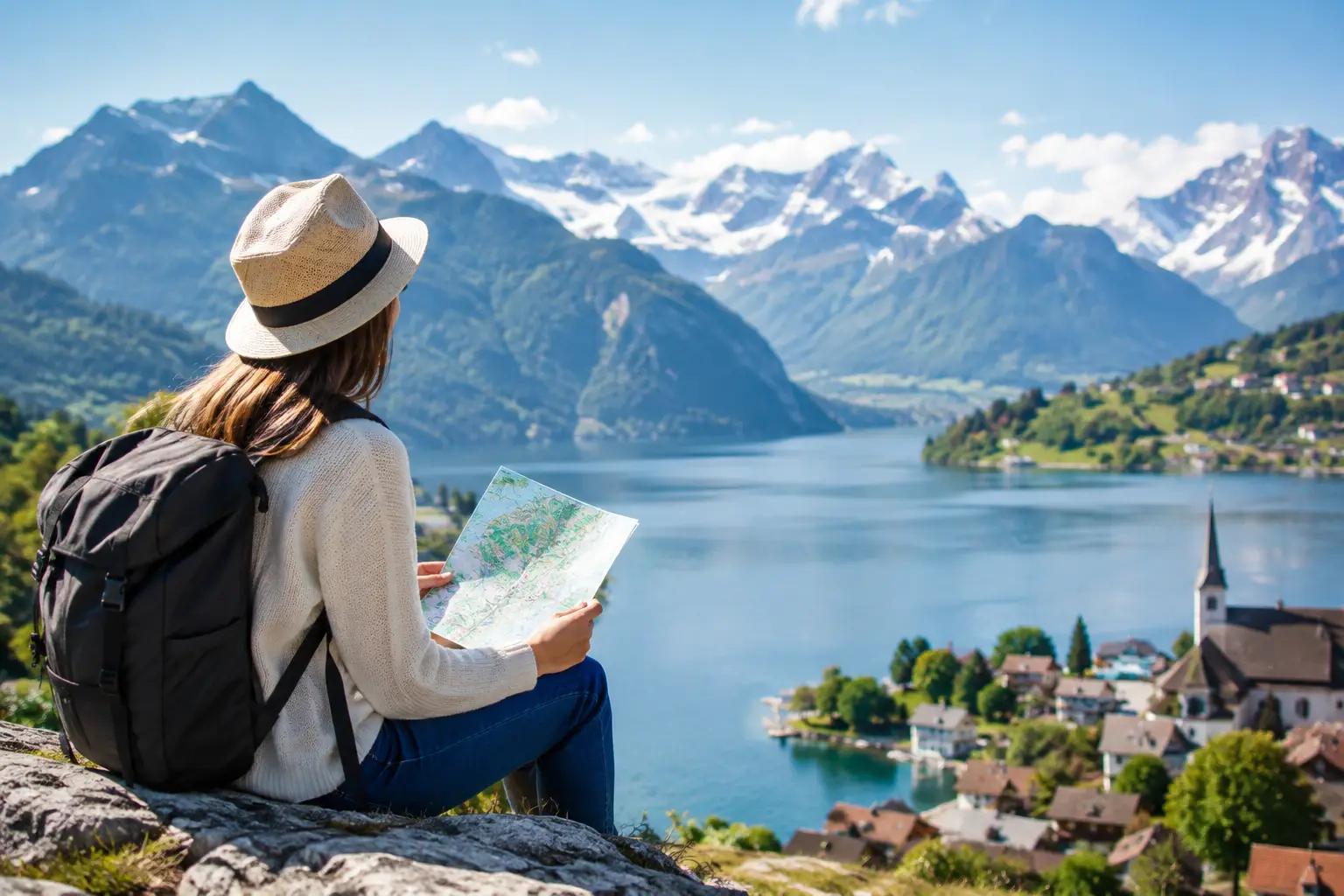
A great Swiss trip rarely begins with a long list of famous sights. It begins with one useful decision: what do you want your days to feel like? This Swiss destination planning guide helps you move from broad inspiration to a stay that suits your pace, travel dates, and group.
Switzerland offers a remarkable amount of variety within relatively short travel distances. You can wake up beside a lake, spend the afternoon in a historic old town, and arrive in an alpine village before dinner. That flexibility is a gift, but it can also make planning feel complicated. The best approach is not to see everything. It is to choose a region that gives you more time experiencing the place and less time repacking.
Start with the kind of trip you want
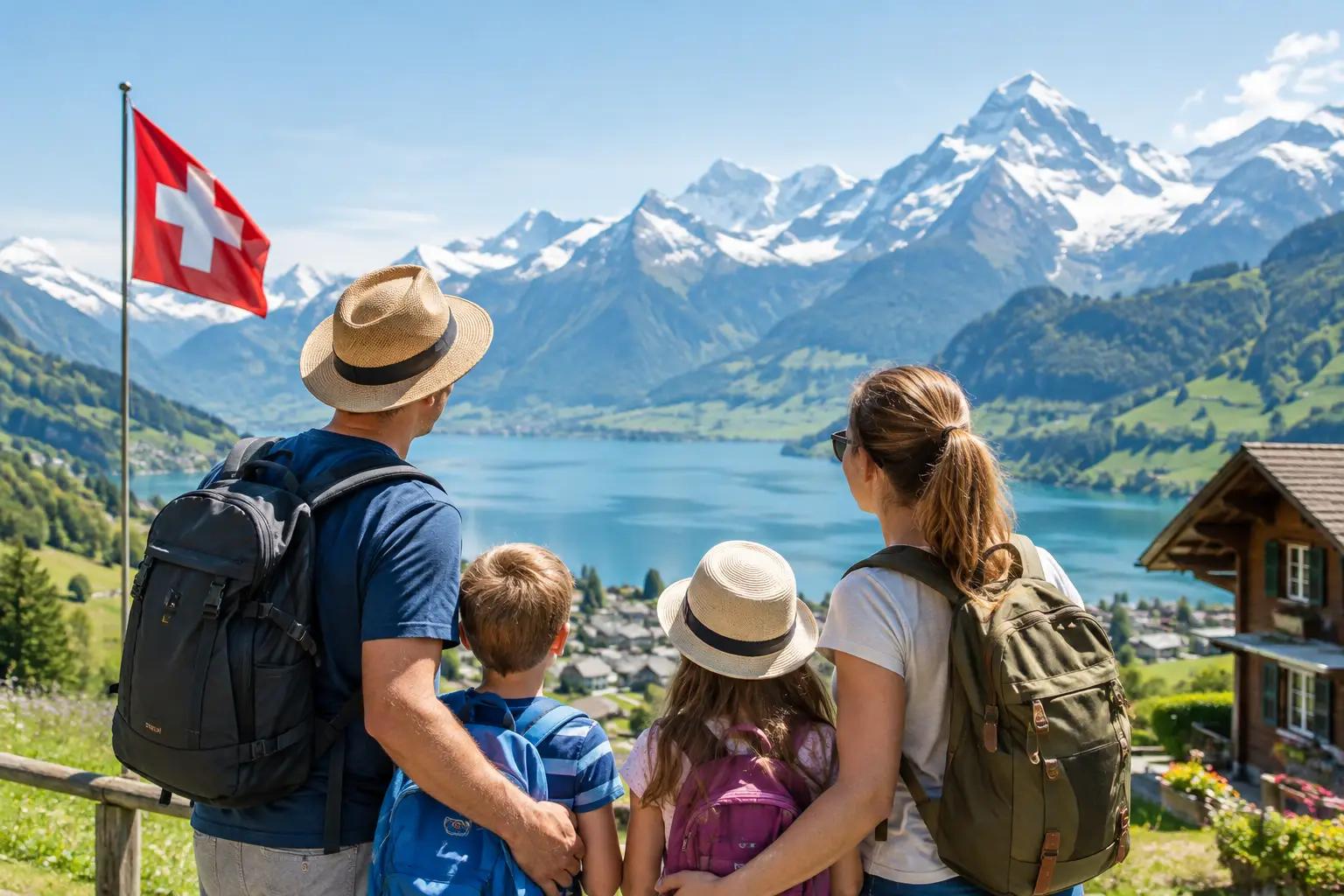
Before comparing destinations, decide what matters most to you. A couple planning a quiet long weekend may prefer a lakeside apartment with walkable restaurants. A family may value extra bedrooms, a kitchen, and easy access to mountain lifts or swimming areas. Friends traveling for hiking or skiing may prioritize trail connections, equipment storage, and room to gather after an active day.
Think about your ideal daily rhythm as well. Do you want cafés, museums, and evening energy close by? Or would you rather open the window to a valley view and begin the day on a trail? Neither choice is better, but trying to combine a city break, deep alpine escape, and a different lake region into a short visit can leave the trip feeling rushed.
For a first visit, one main base and perhaps one second stop is often enough. With a week or more, two contrasting regions can work beautifully, such as a city and lake destination followed by a mountain stay.
Choose a region that matches your travel style
For city culture and easy connections
Zurich, Geneva, Basel, Bern, and Lucerne are strong choices for travelers who want restaurants, museums, historic neighborhoods, and convenient rail connections. These destinations suit short breaks, solo travelers, business visitors extending a work trip, and anyone who appreciates having plenty of options close at hand.
City accommodation is especially appealing when you want to walk or use public transportation rather than rent a car. An apartment can offer the space and independence of home, while a central loft or serviced stay may be ideal for a few nights of urban exploring.
For lakes, villages, and slower days
Lake Geneva, Lake Lucerne, Lake Zurich, Lake Thun, Lake Brienz, and Ticino offer a gentler mix of scenery, culture, and outdoor time. Lakeside destinations are flexible choices for couples and families because they can combine boat rides, swimming in warmer months, village walks, and day trips without demanding a strenuous itinerary.
The trade-off is seasonality. A lively waterfront destination in summer may feel much quieter outside peak periods. That can be exactly what you want, provided you choose a stay with the comforts that matter to you, such as a balcony, fireplace, parking, or a well-equipped kitchen.
For mountain sports and fresh-air escapes
The Bernese Oberland, Valais, Graubunden, Central Switzerland, and the Engadin are made for travelers who plan their days around the outdoors. Hiking, biking, skiing, snowboarding, sledding, and panoramic rail journeys can all shape a mountain vacation.
Here, location matters even more than it does in a city. A chalet near a lift, trailhead, village center, or train station can transform the experience, particularly when traveling with children or carrying sports equipment. A more remote retreat can deliver privacy and exceptional views, but check the driving conditions, parking arrangement, and distance to groceries before booking.
Let the season guide the destination
Switzerland is not a single-season destination. The same village can offer a completely different trip in January and July, so start with the experience you want rather than a fixed image of the country.
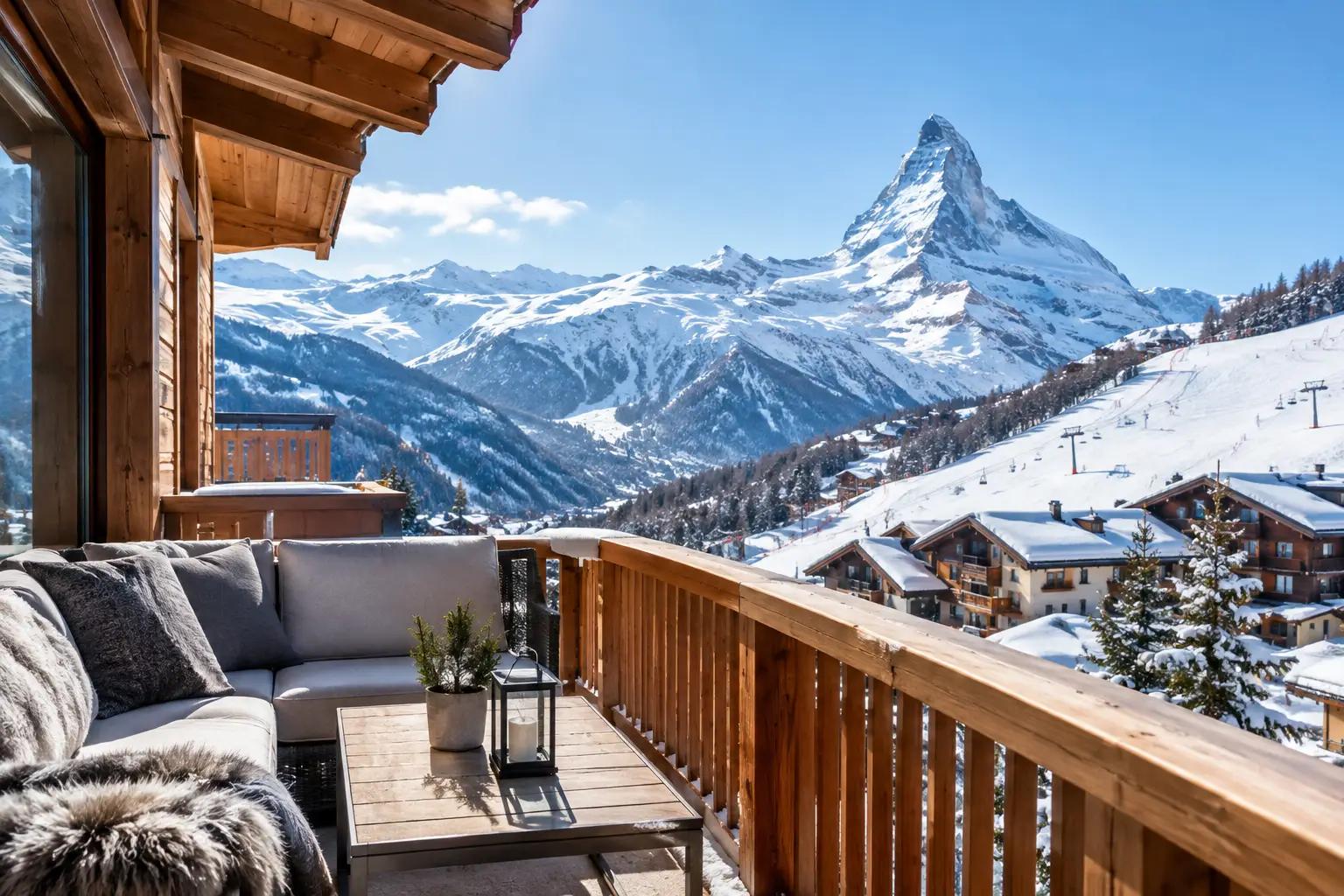
Winter is ideal for snow sports, cozy mountain villages, wellness stays, and festive city breaks. If skiing is your priority, look beyond the resort name and consider the practical details: lift access, ski storage, local transport, and whether your group needs beginner-friendly slopes or a more extensive area.
Spring rewards travelers who enjoy lower crowds, city culture, lakeside walks, and early valley hiking. Weather can change quickly in the mountains, which makes a well-located apartment or holiday home with indoor comfort especially valuable.
Summer opens up hiking trails, mountain railways, lake swimming, cycling, and long outdoor evenings. Popular alpine areas and lake towns can be busy, so booking early gives you more choice in accommodation size, views, and amenities.
Fall brings vineyard landscapes, golden forests, and a quieter mood in many regions. It is a wonderful time for scenic road trips, food-focused weekends, and city stays. Some high-altitude lifts, mountain restaurants, and seasonal services may operate on reduced schedules, so build your itinerary with a little flexibility.
Pick the right base before adding day trips
It is tempting to book a different place every night, particularly when the map makes destinations look close. In practice, transfers, check-ins, luggage, and changing weather can take more energy than expected. A good base lets you settle in, learn the local transport connections, and keep room for spontaneous plans.
When comparing accommodations, look beyond the number of bedrooms. Consider whether the property supports the way you will actually travel. Families may need a crib, laundry, outdoor space, and a kitchen for relaxed meals. Couples might prioritize a terrace, lake view, spa access, or a quiet setting. Groups often benefit from a generous dining area, multiple bathrooms, and clear sleeping arrangements.
Also check the location in relation to your plans. A village-center apartment may save time each morning, while a secluded chalet may be worth the extra journey for travelers seeking privacy. If you will not have a car, confirm walking distances and local transit access rather than relying on a map alone.
Build an itinerary with breathing room
The most memorable Swiss days often have one anchor experience and time around it. A morning mountain excursion, for example, can be followed by a long lunch, a lakeside walk, or an unplanned stop in a village. Trying to fit three major attractions into one day can turn beautiful scenery into a checklist.
Plan one or two priorities for each day, then keep alternatives in mind for rain, heat, or tired legs. Cities offer museums, galleries, markets, and restaurants when the weather changes. Mountain regions may offer wellness facilities, scenic trains, local visitor centers, or simply the pleasure of a slower afternoon in your accommodation.
For multi-generation groups, this flexibility is particularly useful. Not everyone needs to take the same hike or visit the same attraction. A comfortable holiday rental gives the group a welcoming place to regroup, cook, rest, and share the day.
Book with the details that prevent surprises
Once you have chosen your destination and base, read the property information carefully. A beautiful photo is a starting point, not the whole decision. Confirm arrival instructions, parking or transit options, bed configuration, check-in times, accessibility needs, and what is included during your stay.
For mountain travel, ask whether winter tires, snow chains, or special access arrangements may be needed if you are driving. For stays in apartment buildings, be mindful of house rules and shared spaces. Respecting local expectations helps protect the quiet, welcoming character of the places travelers come to enjoy.
CH Rentals makes it easier to compare Swiss stays by destination, travel style, and the amenities that shape a comfortable trip. Whether you are looking for a central city apartment, a family-friendly holiday home, or a mountain retreat, choosing with your real itinerary in mind leads to a better fit.
Give your trip room to become personal
A well-planned vacation does not need every hour assigned. Choose a destination that reflects your interests, reserve accommodation that supports your group, and leave a little space for the moments you cannot schedule: a bakery you find on a morning walk, a swim before dinner, or a view that convinces you to stay out a little longer.