Digital Locks for Vacation Rentals: Smarter Arrivals
A guest reaches a chalet after a long drive through the mountains, ski bags in hand, just as the light begins to fade. They should not need to wait for a key handover, search beneath a flowerpot, or call a host who is managing another arrival. Digital locks can make that first moment feel calm, independent, and welcoming - while giving vacation rental hosts more control over access.
For short-term rentals, the best technology is rarely the most complicated option. It is the solution that fits the property, works reliably in local conditions, and gives guests clear instructions from the moment they book. Whether you manage one lakeside apartment or a growing portfolio of alpine homes, a well-chosen lock can improve the arrival experience without removing the personal side of hospitality.
Why digital locks matter for vacation rentals
Traditional keys create small operational tasks that quickly add up. Someone must meet the guest, arrange a collection point, hold a spare key, or coordinate with a cleaner between stays. A lost key can disrupt a trip and may require a lock change. For homes with several entrances, parking gates, ski rooms, or shared facilities, access can become even harder to manage.
Digital locks replace much of that friction with temporary, controlled entry. A host can issue a code that works only for the booked dates, change access between stays, and avoid circulating physical keys. The guest receives a simple route to the front door, which is especially helpful for late arrivals, families traveling with children, and visitors whose trains or flights run later than planned.
The benefit is not simply convenience. A smooth self-check-in can set the tone for an entire stay. Guests begin their Swiss break feeling expected and prepared, with more time to settle into the view, unpack, and plan the next day.
That said, a digital solution should support hospitality rather than replace it. Some guests appreciate a personal welcome, especially at larger chalets, premium villas, or properties with detailed house systems. A host can still offer an in-person greeting while using digital access as a dependable backup.
Choosing digital locks for your property
Not every lock suits every building. Before comparing models, start with the entry itself. Is it a main apartment door, an exterior chalet door exposed to snow, a shared building entrance, or a gate leading to the property? The answer affects the type of lock, the installation method, and the access method guests will find easiest.
Keypad, app, card, or key combination
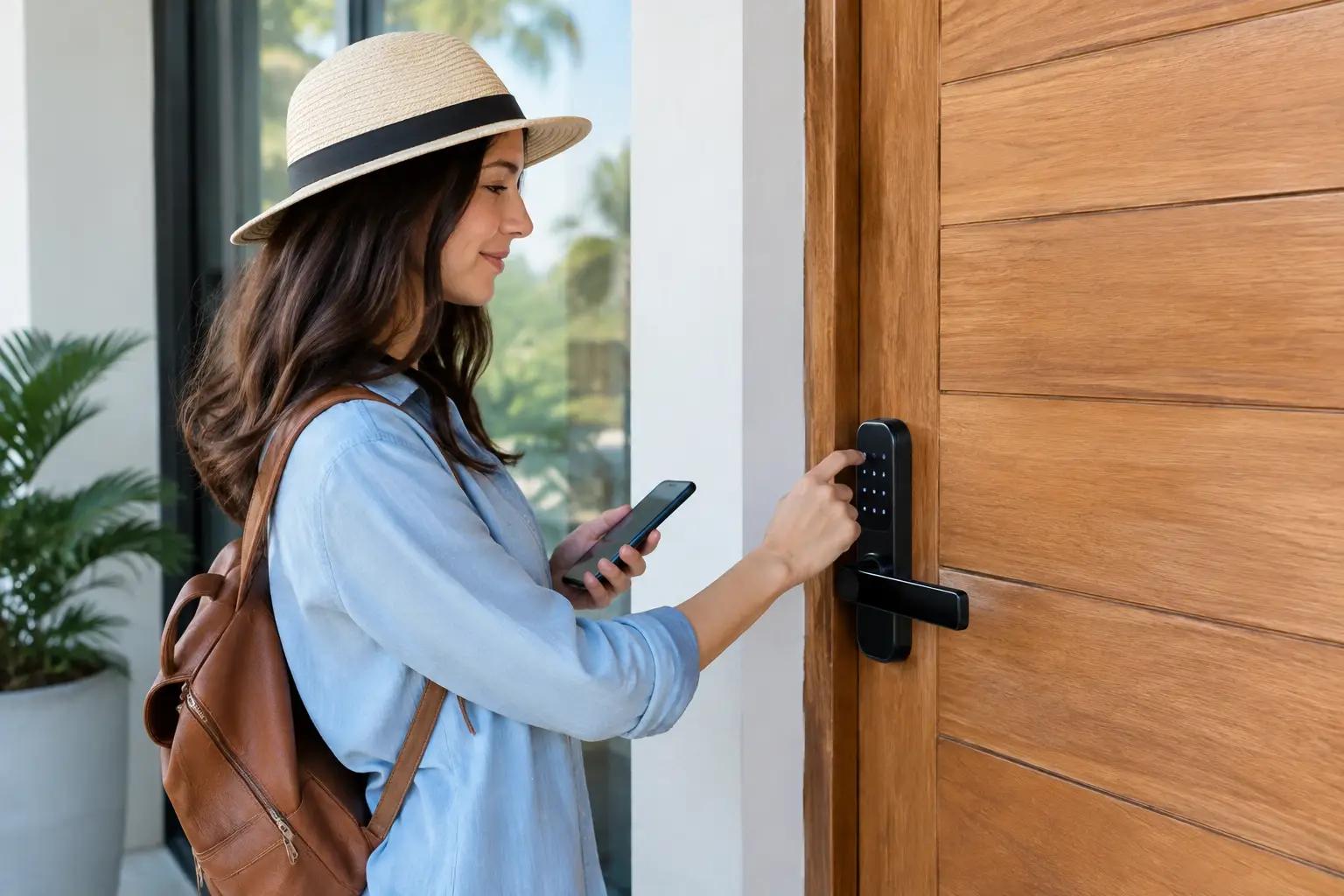
A keypad lock is often the most straightforward choice for vacation rentals. Guests receive a code and enter it at the door, with no app download, battery concern on their phone, or exchange of physical keys. It is a practical option for international travelers who may have limited mobile data on arrival.
App-based locks can offer detailed access management and may suit hosts who operate several units. However, they ask more of the guest. If an app is required, ensure it is simple to install, clearly explained, and never the only way to enter the property.
Card or fob systems can work well for apartment buildings or properties with multiple authorized users, such as cleaning teams and maintenance staff. They are familiar to many travelers but still require physical handover or secure on-site collection. A hybrid lock that accepts both a code and a physical key often gives hosts the most flexibility.
Installation and compatibility
Some smart locks fit over an existing cylinder or work with the current deadbolt, while others require replacing the full lock. A retrofit model may reduce installation work, but it must be compatible with the door and maintain reliable manual access from outside and inside.
For older properties, historic homes, or condominium buildings, seek professional advice before making changes. Door thickness, multipoint locking systems, fire-safety requirements, and shared-building rules can all influence what is appropriate. A lock that looks ideal online is not useful if it compromises the door’s normal function or cannot be installed securely.
Conditions at the property
Mountain weather deserves particular attention. Exterior hardware should be suited to cold temperatures, moisture, and regular use with gloved hands. Check the manufacturer’s guidance on water resistance and operating range, then consider where the lock sits. A sheltered entrance has different needs from a fully exposed door at a high-altitude retreat.
Battery performance also matters. Choose a lock that gives clear low-battery notifications and retain a documented backup method. This may be a mechanical key in a secure lockbox, an emergency cylinder, or a local contact who can assist if needed. Test the backup yourself before a guest ever has to rely on it.
Set up access around the guest journey
The lock is only one part of a successful arrival. Clear communication is what turns the technology into a reassuring experience.
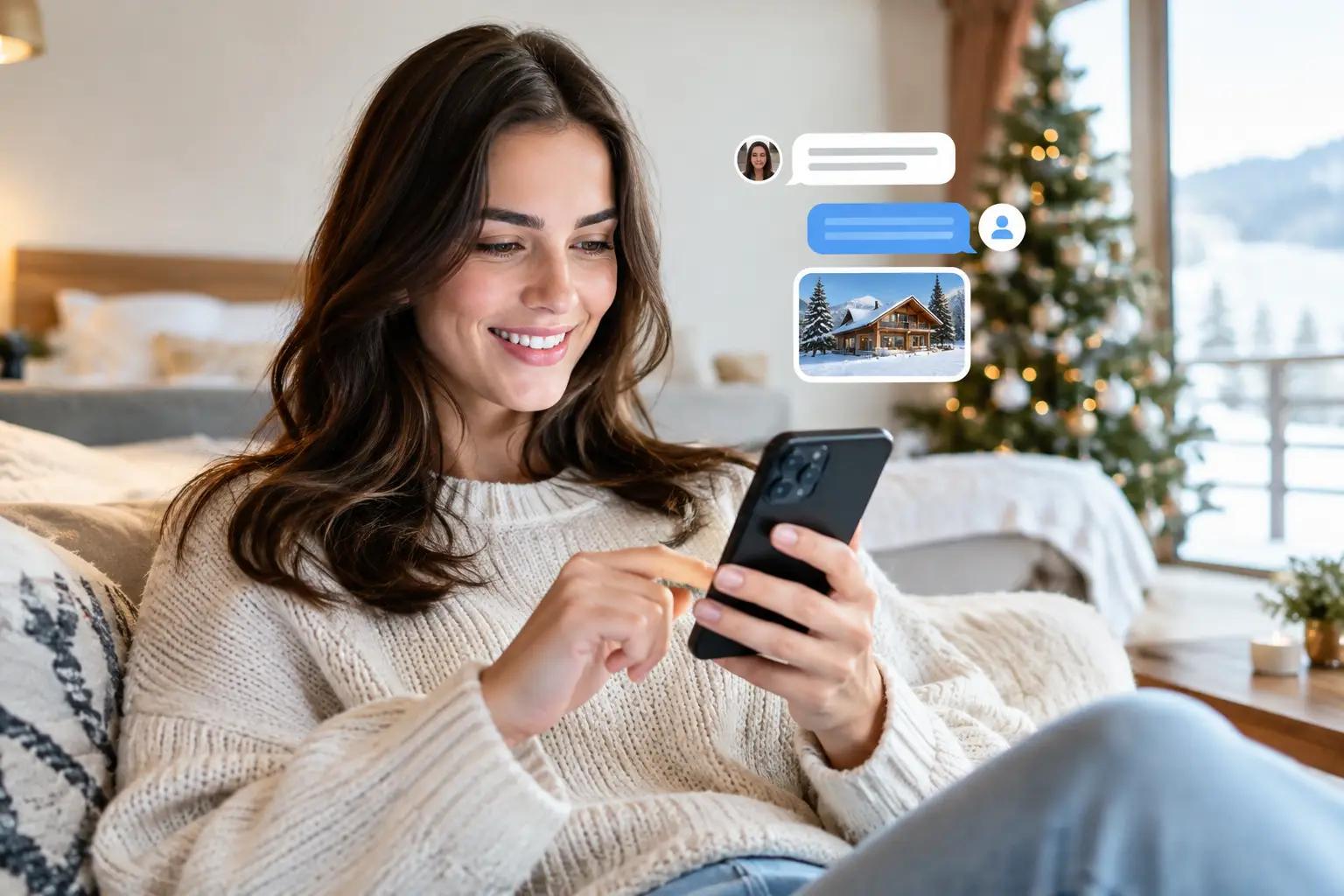
Send access instructions after the reservation is confirmed, then repeat the essentials shortly before check-in. Guests need the property address, parking guidance where relevant, a simple explanation of how the code works, and a contact number for arrival support. Avoid burying the entry code inside a long welcome message. Keep the critical steps easy to spot and easy to follow.
A useful instruction explains what guests will see at the door. For example: enter the code, confirm with the indicated button, wait for the signal, and turn the handle. Add one photo of the entrance or keypad when possible, particularly for village properties with similar facades or multi-unit buildings.
Set codes to activate close to the agreed check-in time and expire after departure. This creates a clean transition between stays and reduces the chance that an old code remains active. For cleaners, co-hosts, and maintenance partners, use separate access credentials where the system allows it. That way, a contractor’s access can be adjusted without affecting guest codes.
Do not use easily guessed codes such as the property number, 1234, or a host’s birth year. A randomly generated code is preferable. If the system records entry activity, use this information thoughtfully as an operational tool, not as a substitute for respectful communication with guests.
Reliability comes before extra features
A feature-packed lock is not automatically the right one for a holiday home. The priority is dependable entry every time. Look for a recognizable brand, support that is available in languages you or your team can use, straightforward battery replacement, and a clear warranty. Read the manual before installation, rather than learning the system during a busy Saturday turnover.
Internet-connected locks can be useful for remote management, but the door should still work if the property’s Wi-Fi drops out. A keypad lock that functions locally is often less vulnerable to connection issues than one that depends entirely on an app or cloud service.
Build a short testing routine into your turnover process. Check that the keypad responds, confirm the next guest code is scheduled correctly, inspect the battery indicator, and test the door alignment. Many apparent lock problems are actually door problems: a swollen wooden door, a misaligned strike plate, or a handle that needs lifting before the bolt turns.
Hosts should also plan for the rare exception. Keep an emergency procedure for a guest who arrives with a dead phone, enters the wrong code too many times, or cannot find the door in bad weather. A calm response plan protects the guest experience far more than a promise that technology will never fail.
Privacy, safety, and good hospitality
Digital access should make guests feel secure, not monitored. Be transparent about the entry method and any access-related information collected by the system. Only use devices and settings that are appropriate for the property and your responsibilities as a host. Guest privacy and a safe stay should always come before operational convenience.
It is also wise to retain normal safety practices. Guests should be able to leave the property easily from inside, emergency contacts should be visible in the home, and any physical backup key should be stored responsibly. For shared buildings, make sure guests understand which doors are private, which spaces are common, and how to re-enter after an evening out.
For many hosts, digital locks are most valuable when paired with an organized guest experience: accurate arrival details, a clean and ready home, practical local recommendations, and responsive support. CH Rentals is built around this kind of thoughtful Swiss hospitality, where technology reduces the admin so hosts can focus on the stay itself.
The right access system is the one guests barely have to think about. When the door opens on the first try and a warm, well-prepared home waits inside, the journey gives way to the experience they came for.