Guest Messaging Apps for Better Holiday Stays

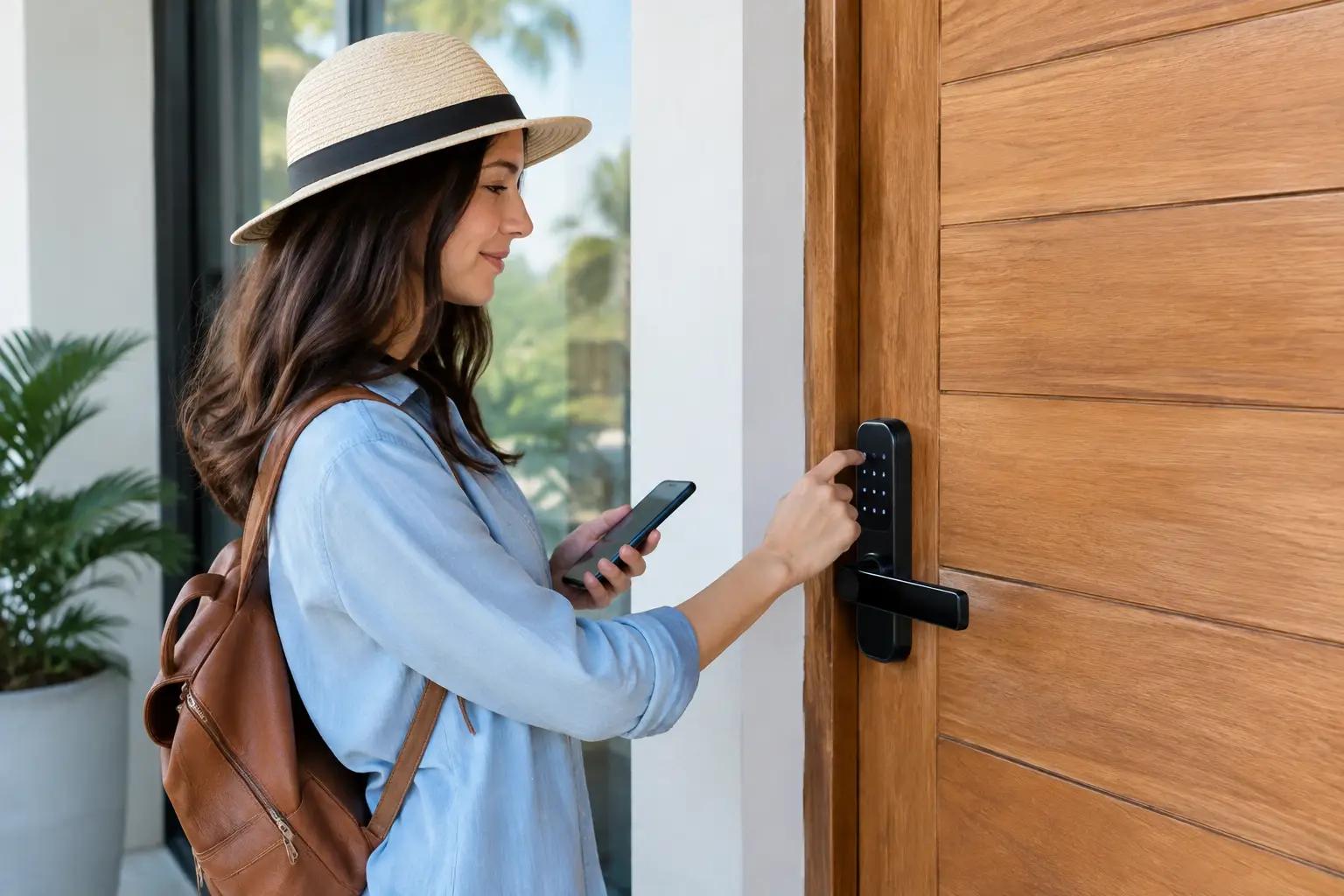
A late-arriving family does not need another email chain to find the parking space, collect the keys, and settle into a chalet after a long drive. They need clear information at the right moment. Guest messaging apps help vacation rental hosts provide that reassurance while keeping daily operations organized, personal, and efficient.
For hosts, communication is not an extra task added to the booking. It is part of the stay itself. A thoughtful welcome message can build confidence before arrival, while a timely local recommendation can turn a good trip into a memorable Swiss experience. The right app helps make those moments easier to deliver consistently, even during busy seasons.
What are guest messaging apps?
Guest messaging apps are tools that bring guest conversations, scheduled messages, stay information, and sometimes team tasks into one place. Instead of manually sending the same arrival instructions to every guest, hosts can prepare useful messages in advance and personalize them with booking details.
Depending on the platform, a host may be able to communicate through email, text message, booking channels, or a guest portal. Some tools also connect with property management systems, smart locks, digital guidebooks, cleaning schedules, and guest registration workflows. The best choice depends less on having every feature and more on solving the communication gaps that matter at a particular property.
For a single apartment in Zurich, a simple template-based tool may be enough. A property manager handling multiple mountain chalets, changing arrival times, and several housekeeping teams may benefit from a more connected system.
Why messaging shapes the guest experience
Guests often judge a stay before they open the front door. If directions are unclear, the check-in process feels uncertain, or a question goes unanswered, excitement can quickly become frustration. On the other hand, calm, accurate communication signals that the host is prepared and available.
This matters especially in Switzerland, where many stays involve logistics that are unfamiliar to international visitors. A guest may need instructions for a mountain road, public transportation connections, garage access, waste disposal, ski storage, or a shared building entrance. Sending those details only once, buried in a confirmation email, leaves too much to chance.
A messaging app creates a more reliable rhythm. Guests receive the right information before it becomes urgent, and hosts spend less time copying, pasting, and searching through separate conversations. That efficiency should not make messages feel automated. It should give hosts more time to respond thoughtfully when a guest has a genuine question.
Faster replies without being always on call
Speed matters, but hosts should not feel required to be available every minute. A well-designed communication flow answers common questions before they are asked. Check-in times, Wi-Fi details, heating instructions, parking guidance, and departure steps can be shared automatically at sensible points in the journey.
This reduces repetitive requests and creates clearer expectations. It also helps guests traveling across time zones, who may read essential information outside the host's usual working hours. For urgent issues, hosts should still set a clear contact route and response expectation rather than relying on automation alone.
A more personal welcome at scale
Automation works best when it supports hospitality rather than replacing it. A generic message saying, “Welcome, enjoy your stay,” is polite but forgettable. A message that uses the guest's name, confirms their arrival plan, and suggests a nearby bakery, lake walk, or family-friendly activity feels far more useful.
Templates can preserve the practical essentials while leaving room for personality. A host might prepare one version for winter guests arriving at a ski apartment and another for summer visitors booking a lakeside home. The details change, but the tone remains warm, clear, and dependable.
Features that matter most for vacation rentals
Not every feature will improve a host's day-to-day work. Before choosing among guest messaging apps, start by mapping the guest journey from booking to departure. Then look for features that remove friction at the points where questions, delays, or missed details most often occur.
Scheduled messaging is usually the foundation. It allows hosts to prepare communications for booking confirmation, pre-arrival planning, check-in day, the middle of a longer stay, and departure. Useful systems support booking variables such as guest name, arrival date, property name, and access code, reducing manual edits.
A shared inbox becomes valuable when more than one person supports guests. Hosts, co-hosts, and property managers can see the same conversation history, assign questions, and avoid duplicate replies. This is particularly helpful when a cleaner receives an early-arrival request or a local contact needs to assist with an access question.
A digital guidebook can also be worthwhile for properties with detailed house information. Rather than sending a long message full of instructions, hosts can give guests one well-organized place to find appliance guidance, emergency contacts, house rules, local transport tips, and recommendations. Keep the guidebook focused. Guests are more likely to use a short, practical resource than a lengthy document they must scroll through on arrival.
Finally, consider integrations carefully. Connecting a messaging tool to a calendar, property management system, or smart access solution can save time and reduce errors. But each connection should have a clear purpose. A complicated setup is not helpful if it creates more maintenance work than it removes.
Build a message sequence guests will actually read
The strongest communication plans are concise and timed around the guest's needs. Sending every detail at the moment of booking can overwhelm people who are still planning flights, train travel, or activities. Spread information across the journey instead.
After booking: confirm confidence
The first message should make guests feel their reservation is in good hands. Thank them, confirm the key booking details, and let them know when they will receive arrival information. If there are requirements that need guest action, state them plainly and early.
This is also a good time to invite guests to share relevant preferences, such as whether they are arriving by car or public transportation. Do not ask for information simply because a form allows it. Ask only for details that help create a smoother stay.
Before arrival: make the plan simple
A few days before check-in, send directions, parking or transit guidance, access instructions, and a direct way to ask questions. For alpine properties, consider adding practical seasonal reminders, such as confirming a suitable route, where to store equipment, or what to expect on arrival.
Clarity is more valuable than excessive detail. Use short steps, plain language, and photos only when they genuinely help guests identify an entrance, lockbox, or parking area. Ask a person who has never visited the property to review the instructions. If they hesitate, guests may too.
During the stay: be present, not intrusive
A brief check-in message after the first night can prevent small issues from becoming bigger ones. Invite guests to get in touch if they need assistance, and offer one or two relevant local ideas. A family in the Bernese Oberland may appreciate an easy excursion suggestion, while a couple in a city apartment may value a neighborhood restaurant tip.
Avoid sending daily promotional messages. Guests booked a home, not a marketing sequence. Helpful communication should feel like attentive hosting, not interruption.
Before departure: remove last-minute uncertainty
Departure instructions should arrive early enough for guests to plan, ideally the evening before or according to the property's needs. Explain checkout time, key return, trash and recycling expectations, parking arrangements, and any simple steps that help the next arrival.
Keep the tone appreciative. A respectful request is more likely to be followed than a list of warnings. After departure, a sincere thank-you leaves the door open for a future stay or a recommendation to friends and family.
Common mistakes to avoid
The most common issue is over-automation. Guests can tell when a message ignores their question, uses the wrong detail, or arrives at an irrelevant time. Review templates regularly, especially after changing an amenity, access method, or house rule.
Another mistake is treating every channel the same. A text message may be appropriate for a time-sensitive arrival update, while a detailed guidebook or email is better for longer instructions. Keep records of important conversations in one system where possible, but choose the channel based on urgency and usefulness.
Hosts should also protect guest privacy. Use reputable tools, limit access to guest information to the people who need it, and avoid sharing sensitive details through channels that are not appropriate for the task. Where local registration requirements apply, use a process that supports accurate and respectful guest handling.
Choosing the right tool for your property
Start with the problem you want to solve. If repeated arrival questions consume too much time, prioritize scheduling and clear templates. If several team members miss messages, a shared inbox and task assignment may be more valuable. If guests regularly ask for restaurant, hiking, or transport ideas, a simple digital guidebook may make the biggest difference.
Test the guest experience yourself before relying on any system. Read the messages on a phone, check the timing, and follow the instructions as if you were arriving after dark with luggage. Technology should make the stay feel easier, not more complicated.
CH Rentals hosts can use thoughtful communication alongside great accommodation and local knowledge to help guests feel welcome from the first confirmation to the final farewell. When every message is clear, timely, and genuinely useful, guests have more space to do what they came for: enjoy Switzerland with confidence.