Host Photography Standards Guide for Swiss Rentals
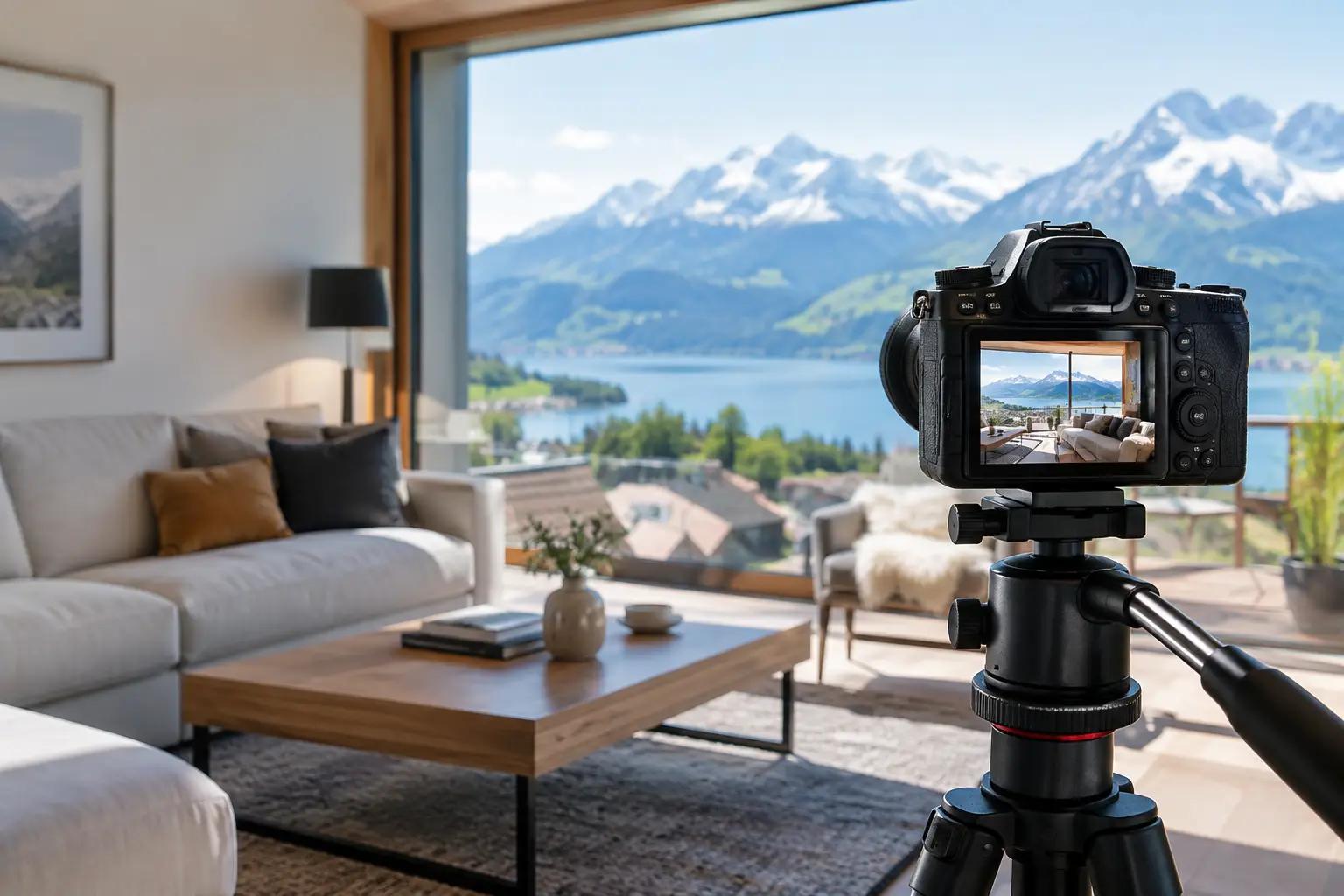
A guest may decide whether a chalet in Valais, a lakeside apartment, or a city loft feels right within seconds of seeing the first image. This host photography standards guide helps you make those seconds count with photos that feel inviting, accurate, and ready for confident booking decisions.
Great photography is not about making a property look unreal. It is about helping guests picture the stay they came for: morning coffee on a balcony, a comfortable family dinner, skis drying after a day in the mountains, or an easy walk to a lakefront. Clear images build trust before the first inquiry arrives.
Why photography sets the standard for your listing
Your photos do more than show rooms. They set expectations for space, comfort, location, and the overall guest experience. When images are bright, current, and representative, guests can compare properties with confidence. That often leads to better-qualified inquiries and fewer surprises after arrival.
For Swiss holiday rentals, photography also has an important destination role. A well-framed mountain view, an inviting terrace, or a glimpse of a village setting can communicate what makes a stay memorable. The property should remain the focus, but its setting helps travelers understand the experience they are booking.
Accuracy matters as much as atmosphere. Wide-angle photography can be useful, but excessive distortion makes rooms appear larger than they are. Heavy filters can make a winter view look brighter or a lake look bluer, yet they can create disappointment if the reality feels different. Aim for polished, natural images that show the home at its best without changing its character.
Host photography standards guide: prepare before shooting
The strongest images are usually won before the camera comes out. Begin by walking through the property as a first-time guest. Remove personal paperwork, charging cables, cleaning supplies, excess decorations, and any items that distract from the room's purpose. A clean surface and a thoughtfully made bed make a meaningful difference.
Stage each room simply. In the living area, straighten cushions, open blinds, and arrange furniture so guests can understand the seating and flow. In bedrooms, use fresh, neutral bedding and show enough of the room to reveal storage, windows, and sleeping arrangements. In the kitchen, clear counters while leaving one or two welcoming details, such as a coffee setup or a bowl of seasonal fruit.
Do not hide useful reality. If a compact studio has a foldout sofa, photograph it both as seating and as a bed when possible. If the bathroom is small but recently updated, show it clearly rather than relying on a tight detail shot. Families, couples, remote workers, and outdoor travelers all assess a property differently, so clarity is more valuable than clever styling.
Lighting deserves special attention. Shoot during daylight when possible, turning on interior lights only when they add warmth without creating harsh color differences. Open curtains fully, but avoid shooting directly into strong sunlight, which can leave windows blown out and interiors dark. On a cloudy day, soft daylight can produce particularly balanced photos.
Build a photo sequence guests can follow
A listing gallery should feel like a short, practical tour. The opening image needs immediate appeal, but the rest should answer the questions guests naturally have as they explore the property.
Start with the space that best represents the stay. For an alpine chalet, that might be the living room with its view or fireplace. For a city apartment, it may be a bright living area, terrace, or carefully designed kitchen. Choose the image with the strongest mix of light, character, and clear sense of space, not simply the most decorative corner.
Then guide guests through the main living areas, bedrooms, bathrooms, kitchen, dining space, and outdoor areas. Include practical features that influence booking decisions, such as a dedicated workspace, ski storage, elevator access, parking, laundry, air conditioning, or a child-friendly garden. If a feature is mentioned in the listing, a photo can help make it credible.
A useful gallery usually includes these distinct views:
- An inviting exterior or arrival image that helps guests recognize the property
- Wide views of the main living, dining, and sleeping spaces
- Clear images of every bedroom and bathroom
- Outdoor areas, views, and amenities that shape the stay
- Practical details, including parking, storage, workspaces, or accessibility features where relevant
Avoid filling the gallery with near-identical angles. Three photos of the same sofa may look stylish, but they use space that could show a second bedroom or the balcony guests want to evaluate. Detail images work best as supporting photos after the essential rooms and amenities are clearly covered.
Photograph for the property you actually offer
Every accommodation type needs a slightly different approach. A mountain retreat should communicate warmth, access to the outdoors, and the spaces guests will enjoy after a day outside. Photograph the entry area, boot storage, fireplace, and terrace if those features are available. In winter, show snow conditions only when the photos are current and representative. Summer images can reveal hiking access, gardens, and open views, but avoid suggesting that a seasonal feature is available year-round.
For lake, vineyard, and countryside stays, the outdoor setting is often a major reason to book. Show the view from the property, not a scenic image taken far away. If the lake is visible only from a particular corner or seasonally through foliage, describe and photograph it honestly.
Urban apartments benefit from images that make layout and convenience easy to understand. Show the entrance, kitchen functionality, dining setup, work area, and natural light. A nearby neighborhood scene can be helpful when it genuinely reflects the location, but it should not replace images of the accommodation itself.
Technical quality without overcomplication
A professional photographer can be a worthwhile investment for larger properties, premium homes, or listings with distinctive architecture. Professional support is especially useful when rooms have difficult lighting, large windows, or valuable design details that need careful composition. However, many hosts can create effective photos with a modern smartphone if they prepare well and work methodically.
Use the highest available resolution, clean the lens, and hold the camera level. Shoot from a natural standing height for living rooms and bedrooms, then review the images on a larger screen before publishing. Blurry photos, tilted lines, dark corners, and visible reflections are easy to miss on a phone.
Edit with restraint. Adjust brightness, shadows, and color balance to reflect how the room looked in person. Do not remove permanent features, change a view, or use editing that alters room dimensions. If you use drone photography, make sure it adds useful context and is captured responsibly, with attention to local rules and privacy.
Keep your gallery current and trustworthy
Photography is not a one-time task. Update your gallery after renovations, furniture changes, new amenities, or meaningful improvements to outdoor spaces. Remove images that no longer match the property, even if they are visually attractive. A current listing is easier for guests to trust and easier for you to manage accurately.
Seasonal updates can be valuable when they clarify the guest experience. A summer terrace and a winter snow setting may both help travelers plan, provided the images are labeled or positioned in a way that does not confuse availability. The goal is not to promise a particular weather scene, but to show the property across the experiences it supports.
Before publishing, review your gallery as a guest would. Can someone understand where they will sleep, cook, relax, park, and spend time outdoors? Can they see the features that justify the rate? If the answer is yes, your images are doing more than attracting attention. They are beginning the guest relationship with the transparency and warm Swiss hospitality that encourage a great stay.
A carefully photographed home invites travelers to imagine themselves there, while giving them the practical information they need to book with confidence. That balance is where memorable stays begin.