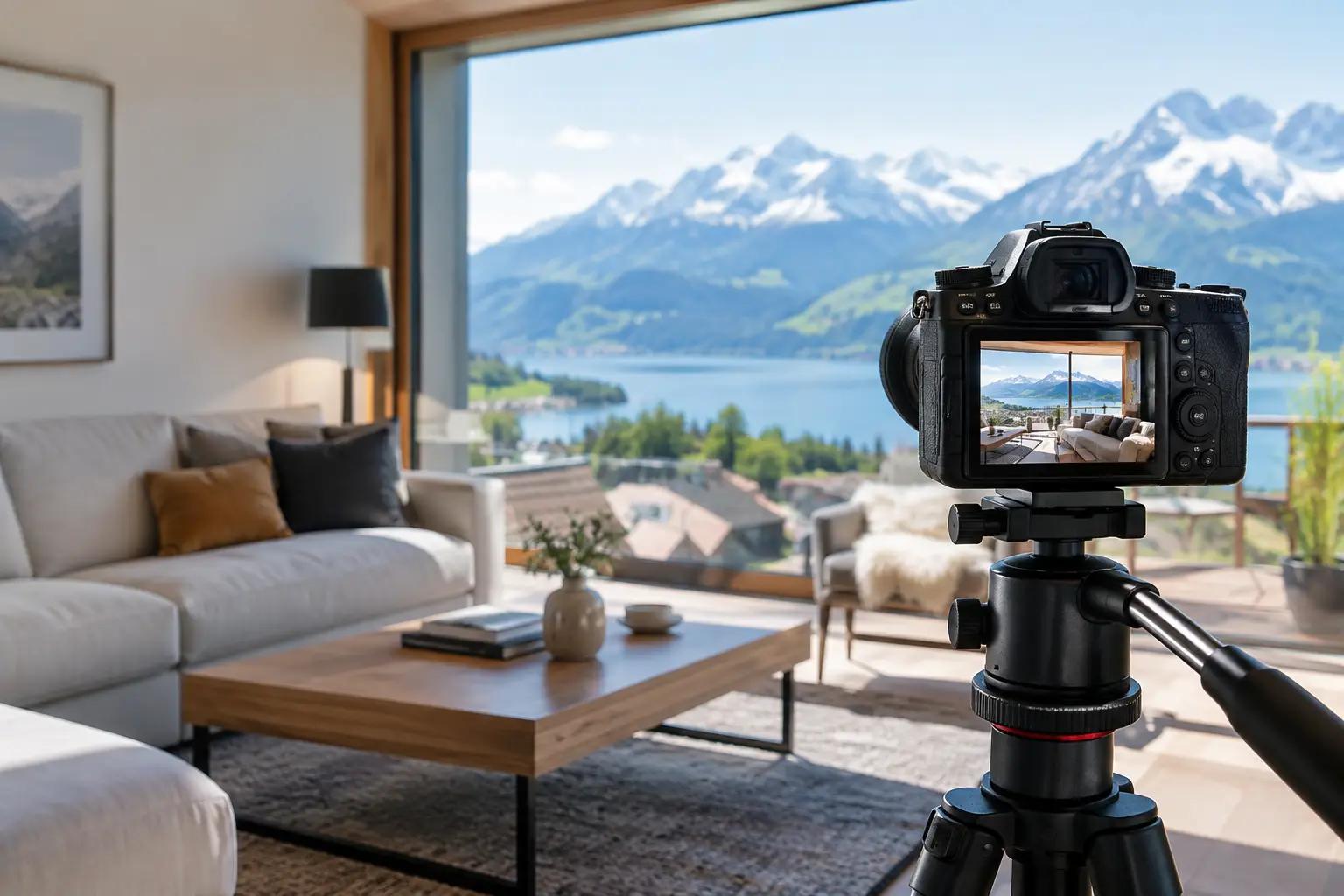
The Future of Swiss Tourism Is More Local
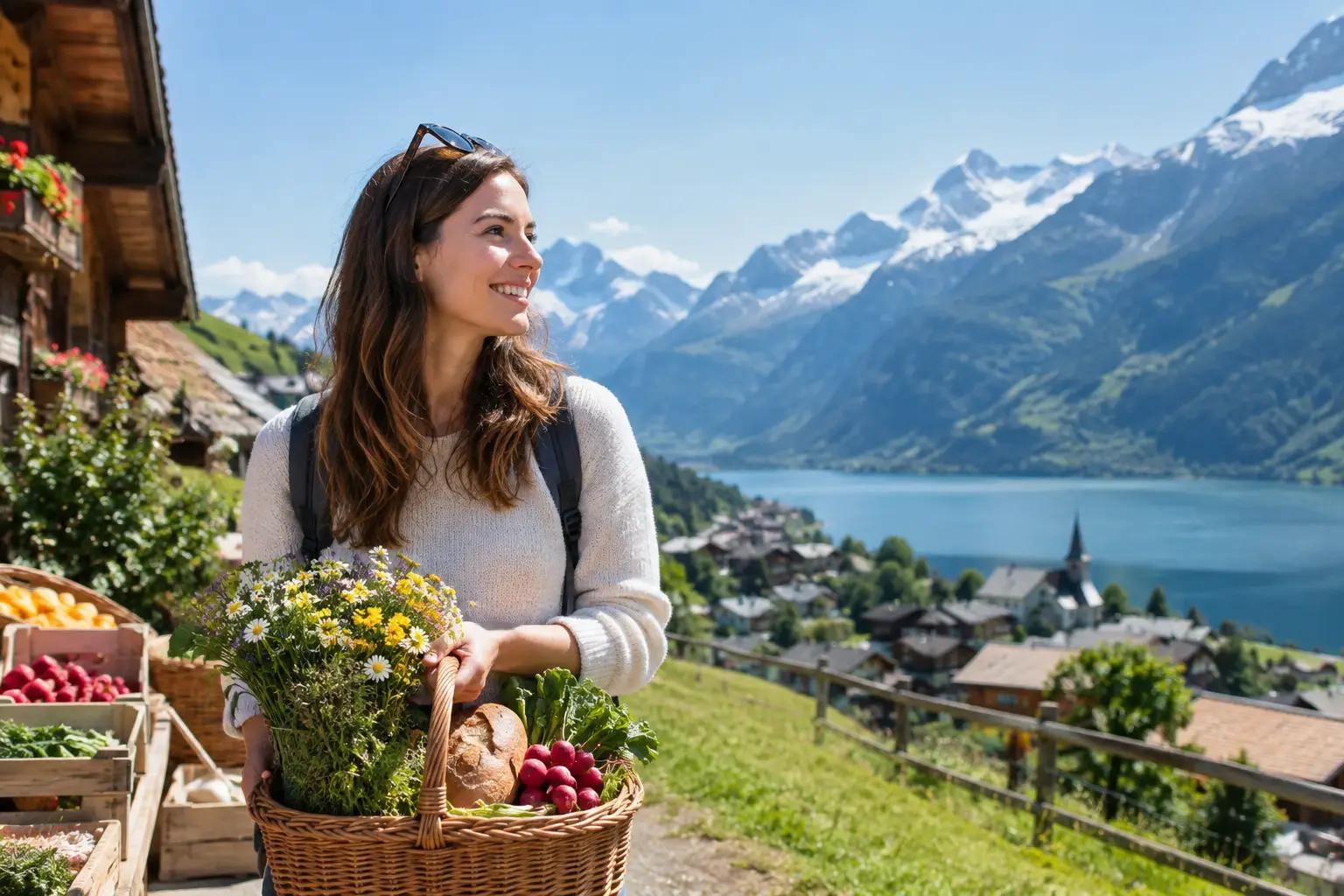
A morning train arrives beneath snow-dusted peaks. A family checks into an apartment near the lake, while a couple settles into a village chalet for a quiet weekend of hiking and local food. These are the moments shaping the future of Swiss tourism: not simply more travel, but more meaningful stays that connect visitors with the character of each destination.
Switzerland has long attracted travelers for its landscapes, cities, rail journeys, and high standards of hospitality. The next chapter will build on those strengths while responding to what guests and hosts increasingly need: flexibility, authenticity, simplicity, and a lighter footprint. Holiday rentals have an important role because they give travelers more ways to experience a destination on their own terms, from a family-friendly apartment in a resort town to a secluded mountain retreat.
The Future of Swiss Tourism Starts With Better Stays
A hotel room may be exactly right for a short city break or a business trip. But travelers planning longer holidays, multigenerational trips, or outdoor escapes often want more space, a kitchen, privacy, and the freedom to follow their own rhythm. A well-chosen vacation rental can turn accommodation from a practical booking into part of the experience itself.
That matters in a country where every region offers a distinct sense of place. A lakeside home encourages slow mornings and swimming after a day of sightseeing. A chalet near the slopes makes early starts and relaxed evenings easier. An apartment in a historic town can place cafés, museums, and local markets just outside the door.
The opportunity is not about treating every stay the same. It is about helping travelers find the right fit. Clear property details, accurate amenities, transparent expectations, and helpful local guidance allow guests to book with confidence before they arrive.
For hosts, this means that quality and presentation will matter as much as location. Travelers remember thoughtful details: reliable Wi-Fi, comfortable beds, straightforward arrival instructions, useful kitchen equipment, and recommendations that feel personal rather than generic. These small choices create the kind of stay guests want to repeat and recommend.
Travel Will Be More Personal, Not Less
Travel planning is becoming more tailored. Visitors do not only search for a destination. They search for a travel style: a pet-friendly weekend, a work-friendly apartment, a ski base for a group, a quiet escape with a view, or a home close to hiking trails and public transportation.
This shift favors better discovery. Travelers should be able to compare stays by what genuinely matters to their trip, whether that is accessibility, parking, a garden, a fireplace, a washing machine, or room for children to play. A couple planning a romantic break and a family traveling during school holidays may choose the same region for entirely different reasons.
Technology can make this process easier, but it should not make travel feel impersonal. The most useful tools remove friction: intuitive search, current availability, clear pricing, simple communication, and dependable check-in information. The human element remains essential. Guests still value a warm welcome, a responsive host, and advice that helps them enjoy a place beyond the obvious attractions.
For many international visitors, this combination is especially valuable. Switzerland can feel effortless when the practical details are clear. Knowing how to reach a property, where to shop nearby, what to pack for changing alpine weather, or which local experiences suit a family can transform uncertainty into anticipation.
Local Knowledge Becomes Part of the Booking Value
The strongest accommodation experience begins before check-in. A listing that explains a neighborhood, nearby activities, seasonal highlights, and realistic travel times helps guests choose well. It also creates better matches between visitors and properties, which supports positive reviews and fewer surprises.
Local knowledge is not limited to major destinations. Smaller villages, rural valleys, vineyard areas, and lesser-known lakeside communities can appeal to travelers who want a slower, more personal trip. When guests have reliable information and suitable places to stay, they are more likely to explore beyond the most familiar routes.
Sustainability Will Be Measured in Everyday Choices
The future of Swiss tourism will also be shaped by practical sustainability. Visitors increasingly notice how a property operates, but they also want convenience. The goal is not to make a holiday feel restrictive. It is to make thoughtful choices easy.
For a host, that can mean providing clear recycling information, energy-conscious appliances, refillable essentials, and guidance on reaching the property by train or local transport. It may also mean maintaining a property carefully so it remains welcoming and efficient across seasons. Guests appreciate these details when they are presented simply and without pressure.
Destinations benefit when tourism is spread more thoughtfully across the year. Summer hiking, autumn food and wine experiences, spring city breaks, and winter mountain holidays each create reasons to visit at different times. For travelers, off-peak trips can bring a calmer atmosphere and a different perspective on a familiar region. For hosts and local businesses, a broader season can support steadier demand.
Still, there is no single formula. A busy ski destination has different needs from a quiet lakeside village. A central city apartment faces different guest expectations from a remote alpine cabin. Sustainable tourism works best when it respects local conditions and gives hosts practical ways to improve over time.
Smarter Hospitality Helps Hosts Focus on Guests
Behind every easy stay is a considerable amount of coordination. Hosts and property managers need to manage calendars, communicate with guests, organize cleaning, maintain properties, handle arrivals, and meet local guest registration and tourism tax requirements where applicable. As portfolios grow, these tasks can quickly become complex.
Hospitality technology is becoming a useful partner in this work. Connected calendars can reduce double bookings. Automated guest messages can ensure visitors receive essential information at the right time. Digital registration, pricing support, and property management tools can reduce repetitive administration while keeping hosts in control.
The benefit is not automation for its own sake. It is more time for good hospitality. A host who spends less time copying details between systems can focus on preparing the home, answering meaningful questions, and maintaining the standard guests expect.
This is also where a Switzerland-focused platform can add real value. CH Rentals is designed around the needs of Swiss holiday rentals, connecting destination discovery with accommodation visibility and tools that support smoother guest operations. For hosts, specialist support can make it easier to present a property professionally while staying attentive to the local details that matter.
Trust Will Remain the Most Valuable Amenity
Beautiful photos may inspire a booking, but trust secures it. Travelers want to know that a property is accurately represented, communication will be reliable, and the arrival process will be clear. Hosts want guests who understand the house rules, respect the property, and arrive with the right expectations.
Transparency supports both sides. Honest descriptions of stairs, parking, road access, noise, seasonal conditions, and shared spaces help travelers make informed choices. Clear rules and responsive communication protect the guest experience without sacrificing warmth.
Trust also depends on consistency. A thoughtfully maintained studio can be just as memorable as a large luxury chalet when it delivers what it promises. In a market rich with choices, dependable quality will continue to stand out.
The Best Trips Connect People to Place
The most memorable Swiss vacations often include a simple local moment: buying bread from a neighborhood bakery, taking a train through a valley, finding a quiet trail, or sharing dinner around a chalet table after a day outside. Accommodation helps make those moments possible by giving visitors a comfortable, well-located base.
As travel evolves, the winning approach will be both modern and deeply local. Guests will expect easier planning and more flexible stays. Hosts will need efficient tools and stronger visibility. Destinations will benefit when visitors can discover their character with care and confidence.
Whether you are planning a weekend by the lake, a mountain holiday with family, or preparing a property to welcome future guests, choose the details that make a stay feel genuinely connected to its surroundings. That is where lasting travel memories begin.