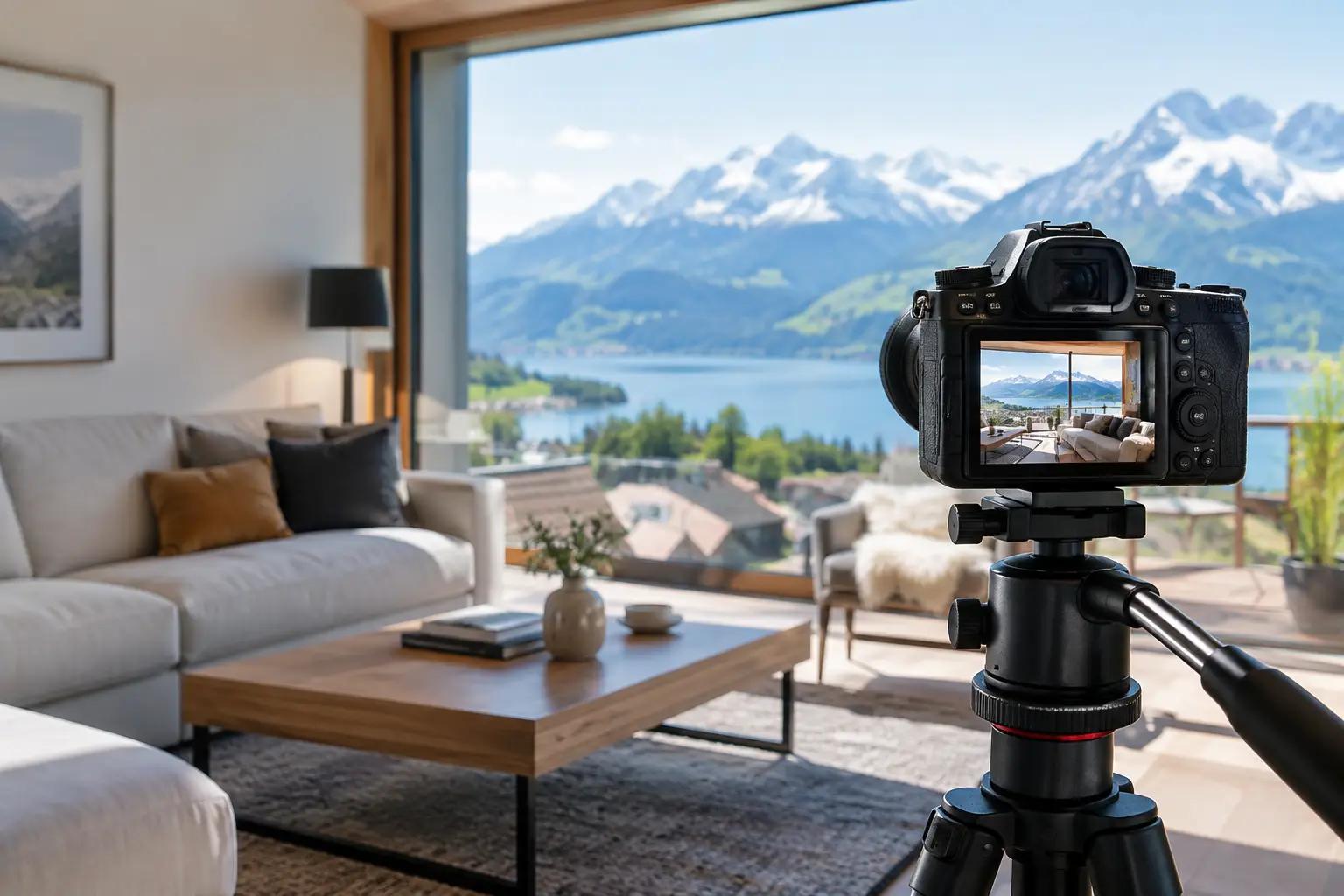
How to Choose Swiss Chalets for Your Trip
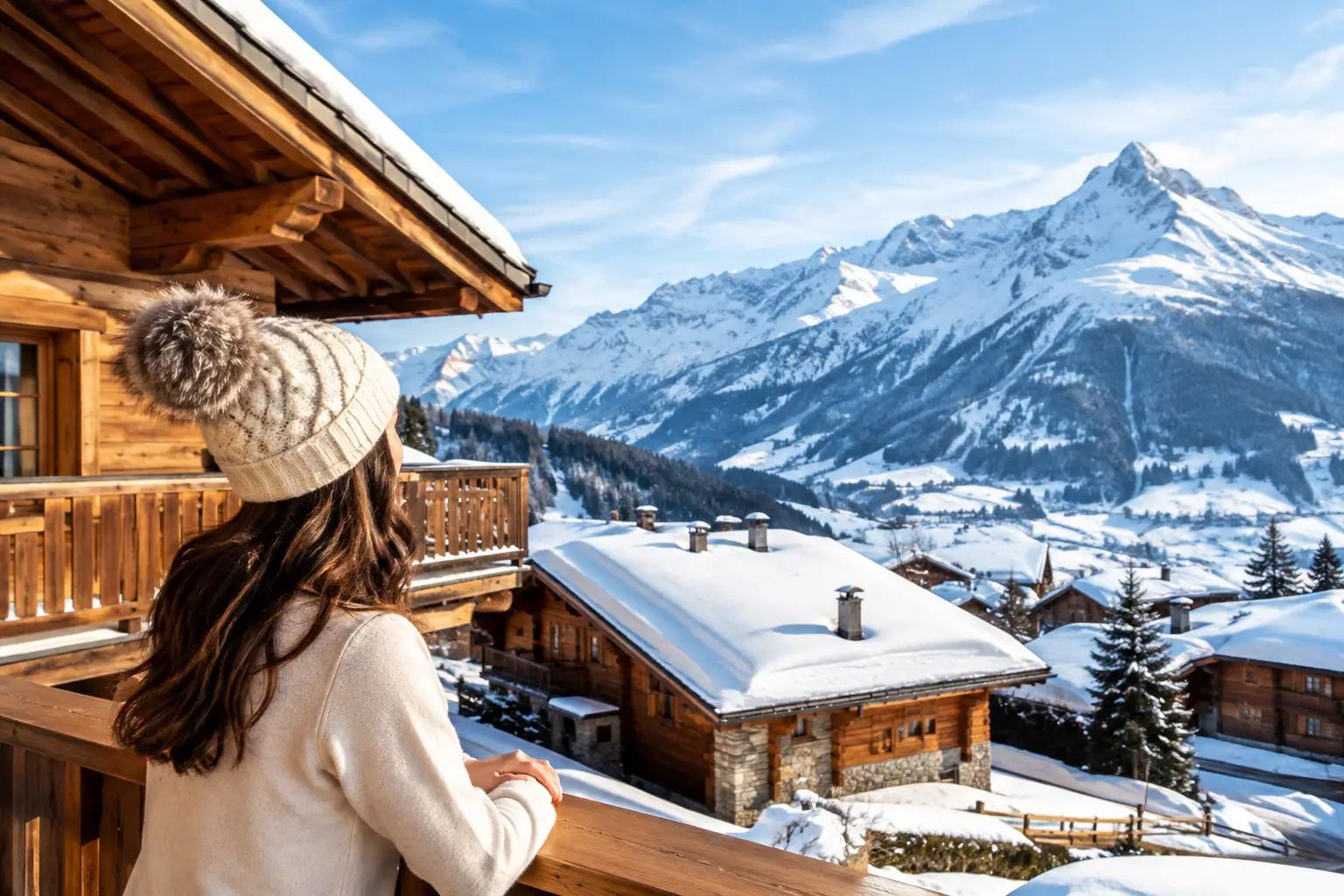
A chalet can turn a Swiss vacation into the kind of trip people remember for years: breakfast with mountain views, boots drying by the door after a hike, and unhurried evenings around the table. But knowing how to choose Swiss chalets means looking beyond the most beautiful photos. The right stay depends on where you want to spend your days, who is traveling with you, and how independently you want to move around.
A traditional timber exterior may be part of the appeal, but comfort, access, and layout will shape the experience just as much. Start with the trip you want, then choose the chalet that supports it.
Begin with the destination, not the chalet
Switzerland’s mountain regions offer very different experiences. A chalet near Zermatt suits travelers who want dramatic peaks, village atmosphere, and a car-free setting. The Jungfrau region is a strong choice for iconic scenery, rail access, and varied activities for families. Verbier and Crans-Montana combine alpine days with lively restaurants and shops, while quieter valleys in Graubünden or the Bernese Oberland can offer a more relaxed, nature-first escape.
Think about what should be easiest during your stay. If skiing is the priority, look for practical proximity to lifts, ski buses, rental shops, and beginner areas if they are needed. For summer, check access to hiking trails, mountain railways, lakes, and cycling routes. A chalet that is a short drive from everything can be ideal for travelers with a car, but less convenient for visitors relying on trains and buses.
Also consider the village itself. Some guests want to walk to dinner, pick up pastries in the morning, and browse local stores. Others would happily trade that convenience for a peaceful hillside address and wide-open views. Neither choice is better. The best fit comes down to the pace you want.
Match the chalet to your group
A chalet described as sleeping eight may have eight beds, but that does not automatically mean it will feel comfortable for eight adults. Before booking, look closely at the bedroom arrangement, number of bathrooms, dining seating, and shared living space.
For two couples, two proper double bedrooms and two bathrooms can make a meaningful difference. Families may prefer a bunk room close to the main bedroom, a washer and dryer, and space for children to play indoors. Groups of friends often value separate sleeping zones and a generous kitchen or lounge where everyone can gather without feeling crowded.
Look beyond the bedroom count
Sleeping arrangements are one of the most common places where expectations can differ. A sofa bed may be practical for children or a short stay, but it may not suit every adult traveler. Open lofts can feel charming, though they may offer less privacy. Low ceilings, steep internal stairs, and split-level layouts can be part of an authentic mountain home, so review the details carefully if anyone in your group has mobility needs or is traveling with very young children.
If you are planning a longer stay, everyday comforts matter more. Storage for luggage and ski gear, enough hooks for jackets, a dishwasher, and reliable heating can make a chalet feel easy to live in rather than simply pleasant to visit.
Decide which amenities truly matter
It is easy to be drawn to a hot tub, sauna, fireplace, or balcony with a remarkable view. These features can absolutely add to the stay, especially after a day outdoors. Still, prioritize the amenities you will use every day.
A well-equipped kitchen is valuable for families, travelers managing dietary preferences, and anyone who enjoys relaxed evenings at home. Wi-Fi and a suitable workspace may matter for a working vacation. Private parking can be essential in more remote areas, while proximity to public transportation can be more useful in car-free resorts.
In winter, pay special attention to ski storage, boot warmers, and access from the road. In summer, outdoor seating, shade, a grill where permitted, and secure bike storage may be more relevant. Air conditioning is less common in mountain properties than some international visitors expect, but elevation, window orientation, and ventilation can influence comfort during warm periods.
A fireplace creates atmosphere, yet it should not be assumed to be the primary heating source. Check the listing information for practical details rather than relying on images alone.
Understand access before you arrive
A secluded chalet can be wonderfully peaceful, but mountain access requires a little planning. Ask yourself how you will reach the property after arriving in Switzerland. Will you have a rental car? Can the final approach be managed by public transportation, taxi, or local shuttle? Is the property a short walk from the nearest stop, or a steep uphill route with luggage?
Winter adds another layer. Mountain roads may be narrow, snowy, or subject to seasonal conditions. A property with parking may still require snow tires or chains depending on the route and weather. If you prefer not to drive, choose a chalet with clear public transit connections or arrange transfers in advance.
Car-free destinations deserve special consideration. They can offer an exceptionally calm and memorable alpine experience, but luggage transport, arrival times, and the final journey to the accommodation should be understood before departure. A little preparation makes the arrival feel like part of the adventure rather than a last-minute puzzle.
Choose the right season for your stay
The same chalet can feel entirely different in January and July. Winter travelers may want slopeside convenience, a fireplace, and a village with dependable lift access. Summer guests may place more value on a sunny terrace, trail access, and nearby swimming or mountain biking. Spring and fall can bring quieter villages, changing landscapes, and appealing value, although some lifts, restaurants, and local services may operate on reduced schedules.
The view also changes with the season. A chalet high above a valley may deliver spectacular winter scenery but have more limited access after heavy snowfall. A lakeside or lower-elevation property may be especially attractive in the warmer months. Let your planned activities lead the decision, then check what will be open during your travel dates.
Read the practical details with care
Great chalet stays are built on clear expectations. Review check-in and check-out times, cleaning arrangements, linen provisions, parking information, and any house rules before confirming. If you are arriving late, make sure the arrival process works for your schedule. If you plan to cook, look for details on the kitchen equipment rather than assuming every chalet has the same setup.
It is also wise to check whether the rate includes essentials that matter to your group, such as Wi-Fi, utilities, parking, or final cleaning. For larger groups, understand any limits on visitors, quiet hours, or use of outdoor areas. These details are not obstacles. They are what allow hosts, neighbors, and guests to enjoy the destination respectfully.
When comparing properties, use the same criteria each time: location, sleeping layout, bathrooms, access, amenities, and total stay requirements. This makes a choice clearer than comparing only nightly rates or photo galleries.
Let the setting shape the experience
The most memorable chalet is rarely just the largest one or the one with the most features. It is the place that fits the way you travel. A compact chalet close to a mountain railway can give a couple more time on the trails. A spacious home with a large dining table can make a multigenerational family trip feel effortless. A quiet retreat above a village can be exactly right for travelers who want space, stars, and slow mornings.
CH Rentals helps travelers compare Swiss stays with the destination in mind, so it is easier to find a chalet that feels connected to the experience you came for. Read the property details, picture the daily rhythm of your group, and leave room in the plan for the small moments that make a Swiss mountain stay special.