How to Market Holiday Rentals in Switzerland
A chalet can have a panoramic terrace, a beautifully designed interior, and an ideal location near the slopes, yet still sit vacant if travelers cannot quickly understand why it is right for their trip. Learning how to market holiday rentals starts with that gap: turning a good property into a clear, appealing choice for the right guest at the right moment.
For Swiss hosts, effective marketing is not about being everywhere or making the loudest promise. It is about presenting an authentic stay with useful details, strong visuals, dependable operations, and a distribution approach that reaches guests planning city breaks, lake escapes, family holidays, and mountain adventures.
Start with a clear guest and stay concept
Marketing becomes expensive and unfocused when a property is promoted to everyone. Begin by defining the guests your rental serves best. A central Zurich apartment may appeal to business travelers and couples on a short city break. A spacious chalet in Valais may be a stronger fit for families, hiking groups, or winter sports guests. A lakeside home may be chosen for slower, multi-generational stays.
This does not mean excluding other guests. It means giving your listing a useful center. Travelers should be able to see themselves in the stay within seconds.
Describe the experience as well as the accommodation. Instead of only saying "two-bedroom apartment," explain the practical benefit: two quiet bedrooms, a fully equipped kitchen for family meals, and easy access to trails or public transportation. If the property has a ski room, elevator, dedicated workspace, balcony, parking, or step-free access, make those details easy to find. They can be the deciding factor between two otherwise similar rentals.
Build a listing that answers real booking questions
A holiday rental listing is not a brochure. It is a decision-making tool. Guests need enough information to feel confident before they inquire or book, especially when traveling with children, coordinating a group, or arriving from abroad.
Lead with professional, honest photography
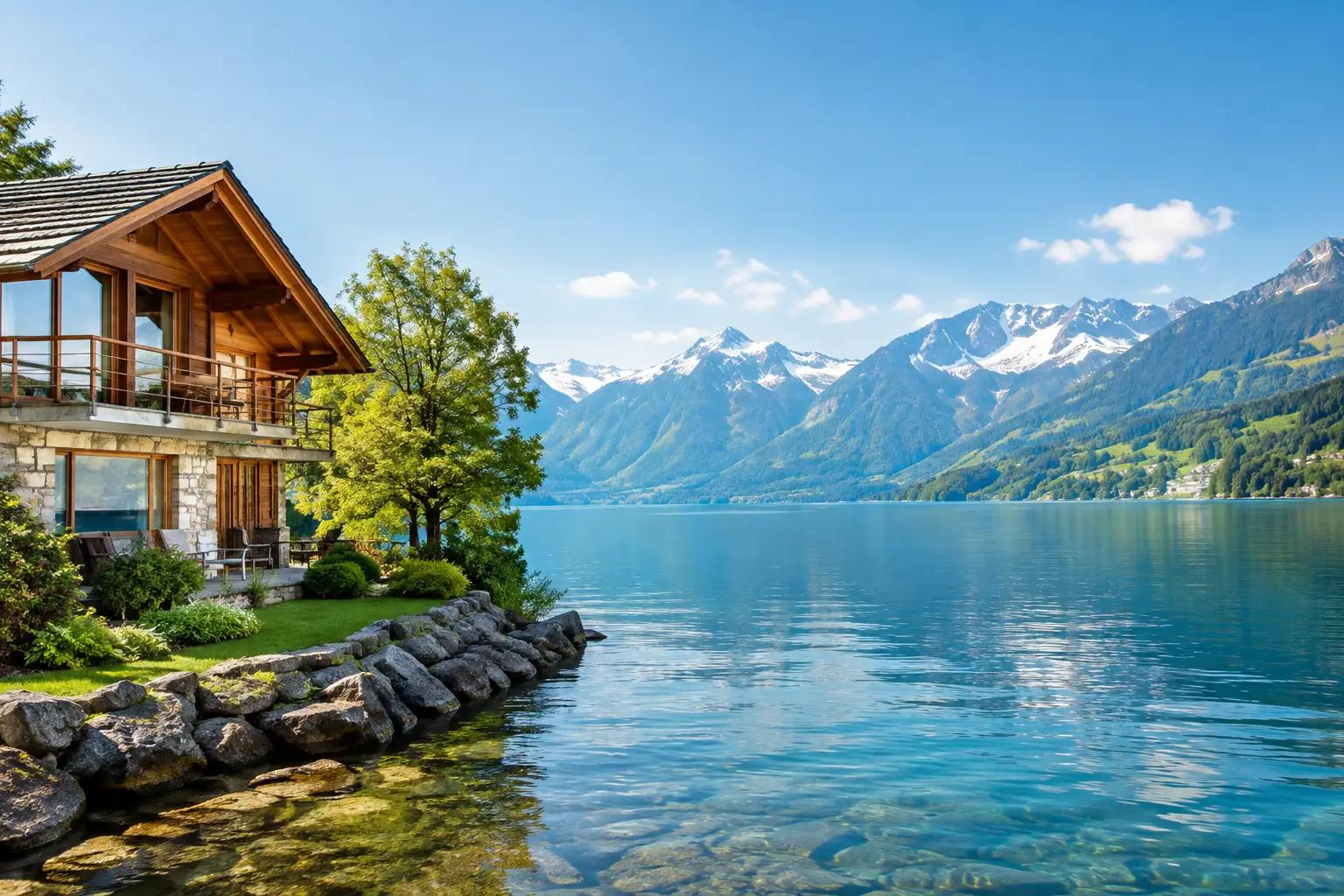
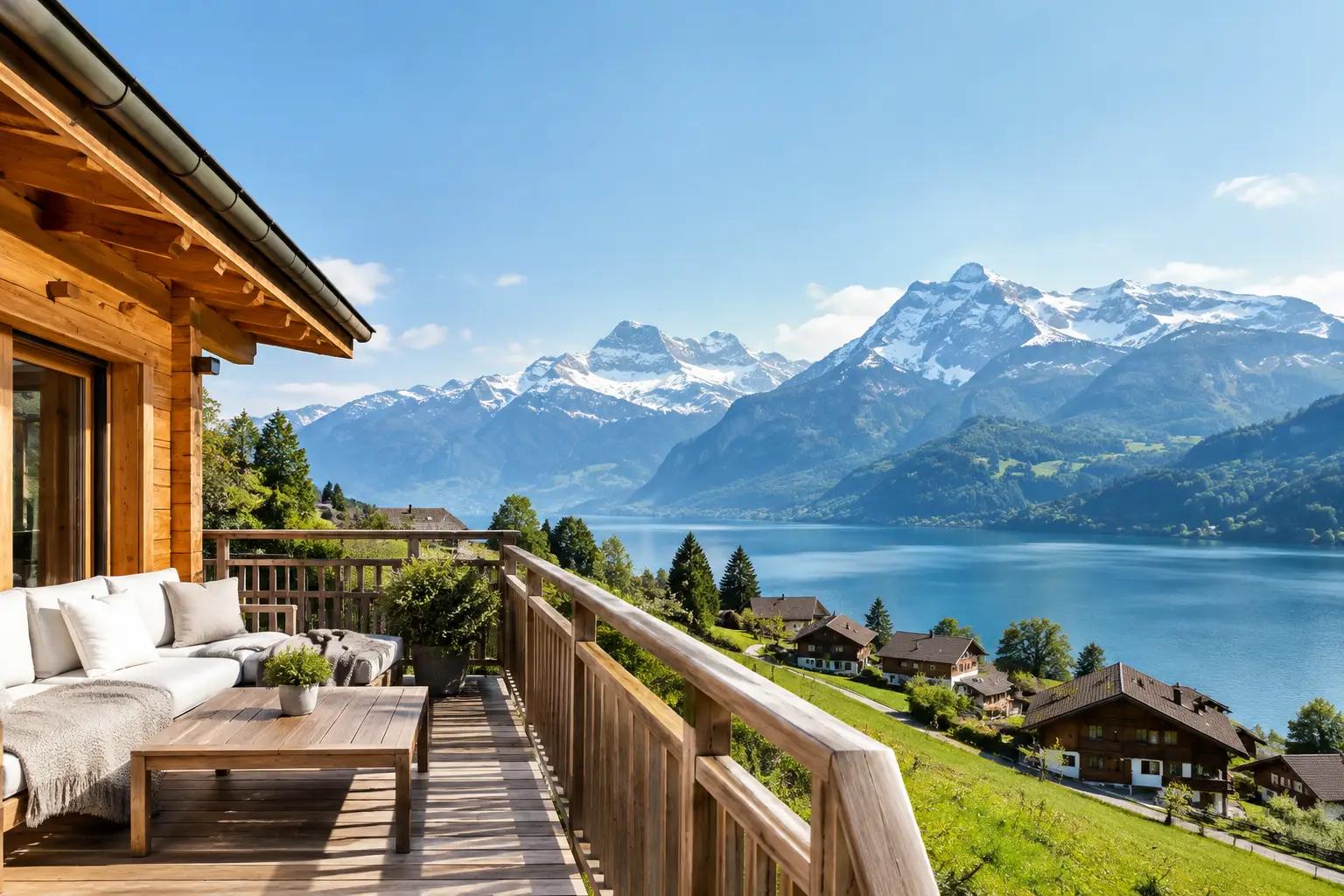
Photography creates the first impression, but it also sets expectations. Show the exterior, main living space, bedrooms, bathrooms, kitchen, outdoor areas, views, and distinctive practical features. Bright, well-composed images make a difference, particularly for properties where natural light, alpine scenery, or historic character is part of the appeal.
Accuracy matters just as much as beauty. Do not rely on heavily edited photos that make rooms appear larger or views more dramatic than they are. Trust begins before arrival, and an honest visual presentation reduces avoidable disappointment.
Order photos with intent. Start with the strongest image, then help travelers understand the flow of the home. For a family property, a welcoming living room and dining area may deserve early placement. For a mountain retreat, lead with the view or the outdoor setting, then show how guests will relax after a day outside.
Write for clarity, not decoration
Your property title should identify the accommodation and its strongest appeal without exaggerated claims. A title such as "Family Chalet Near the Ski Lift with Mountain View" is more useful than vague language that could describe any rental.
In the description, use short sections and specific details. Explain sleeping arrangements, kitchen equipment, parking, check-in process, proximity to relevant attractions, and any seasonal considerations. If a car is recommended, state that clearly. If the rental is within walking distance of a train station or gondola, include an approximate walking time when you can do so accurately.
Good copy anticipates the questions a guest might otherwise send by message. That saves time for the host and makes the path to booking feel simpler.
Make location part of the experience
Travelers booking in Switzerland are often choosing a destination experience as much as a property. Help them understand what is nearby and what the area feels like. Mention access to hiking paths, ski areas, lake promenades, village centers, museums, restaurants, cycling routes, or scenic rail connections when relevant.
Avoid generic destination language. A guest considering an apartment in Lucerne wants to know whether it suits a waterfront stroll, a weekend of culture, or an easy base for day trips. Someone searching for a Graubunden chalet may care more about trail access, ski storage, and where to buy groceries after arrival.
Seasonality should shape your message. Summer marketing can emphasize swimming, hiking, biking, and outdoor dining. Winter content may focus on snow access, warm interiors, fireplace evenings, and practical ski logistics. In quieter periods, city events, wellness, local food, and slower stays can give travelers a reason to consider dates they may otherwise overlook.
Use pricing to support demand, not replace value
Pricing is a marketing signal. If a rate is unclear or does not reflect the property, guests may leave before they explore the listing. Review comparable rentals with similar location, capacity, condition, amenities, and seasonality, then set a price that matches the experience you are offering.
Rates do not need to remain fixed all year. School breaks, major local events, ski conditions, and summer demand can influence booking patterns. However, constant deep discounts can weaken perceived value and attract guests who may not be the right fit. A better approach is to plan rates around demand, booking lead time, minimum-stay needs, and the operational cost of changeovers.
Transparency is equally valuable. Display required fees and key booking conditions clearly. Guests appreciate knowing what is included before they commit. If you offer thoughtful extras, such as a welcome guide, baby equipment, or a local activity recommendation, present them as part of the stay experience rather than using them to obscure the total cost.
Choose channels that match your goals
A strong answer to how to market holiday rentals is rarely a single channel. Your own website, social media presence, repeat guests, local partnerships, and specialist marketplaces can each serve a purpose. The right balance depends on your property portfolio, available time, target guest, and booking goals.
For many hosts, a Switzerland-focused marketplace adds value because travelers are already searching with a specific destination in mind. CH Rentals gives property owners a dedicated way to present their accommodations to guests planning Swiss stays while benefiting from destination-led discovery.
Wherever your rental is listed, keep information consistent. Pricing, availability, property details, and photos should match across channels. If you manage several calendars manually, double bookings and outdated details can quickly damage trust. Channel management and property management tools can reduce repetitive administration, particularly for hosts with multiple properties or seasonal demand.
Social media can support visibility, but it works best when it shows a real sense of place. Share an early morning lake view, autumn hiking conditions, a cozy winter living room, or a nearby market. The goal is not to post every day. It is to give potential guests a believable glimpse of the stay they could enjoy.
Turn guest service into a marketing advantage
The guest experience is one of the most effective forms of long-term marketing. A prompt, warm response to an inquiry can be the reason a traveler chooses your property. After booking, clear arrival instructions, accurate house information, and local recommendations reduce uncertainty and help guests settle in faster.
Create a practical digital or printed welcome guide with Wi-Fi details, appliance instructions, transportation options, emergency contacts, waste and recycling guidance, and nearby essentials. Keep it current. International guests may need simple explanations of local systems that regular visitors take for granted.
After checkout, invite guests to share feedback. Reviews are valuable because they answer questions future travelers may have: Was the home clean? Was the location convenient? Did the host communicate well? Ask respectfully, without pressure, and use recurring feedback to improve the stay.
Positive guest relationships can also lead to repeat bookings, especially for families who return to the same mountain region or travelers who want a familiar base for annual trips. A considerate follow-up message before a new season can be more effective than a broad, impersonal promotion.
Measure what is working and improve one area at a time
Marketing improves when you track more than bookings. Look at how many guests view your listing, where inquiries come from, which dates are searched most often, how far in advance guests book, and which questions appear repeatedly. These patterns reveal where a listing or process needs attention.
If many people view the property but few book, review the first photo, title, price presentation, and calendar availability. If guests repeatedly ask about parking or distance to the lift, make that information more visible. If low-season dates remain open, develop a more specific reason to visit during that period rather than simply lowering the price.
Small improvements compound. Better photos may increase interest. Clearer descriptions can increase inquiries. Faster replies and smoother arrivals can improve reviews. Over time, those details create a rental that travelers feel comfortable choosing.
The most memorable holiday rentals do more than provide a place to sleep. They make it easy for guests to picture a rewarding trip, arrive with confidence, and leave with a genuine connection to the destination. Build your marketing around that feeling, and your property will have a stronger reason to be chosen.