Self Check-In Versus Key Handover for Rentals
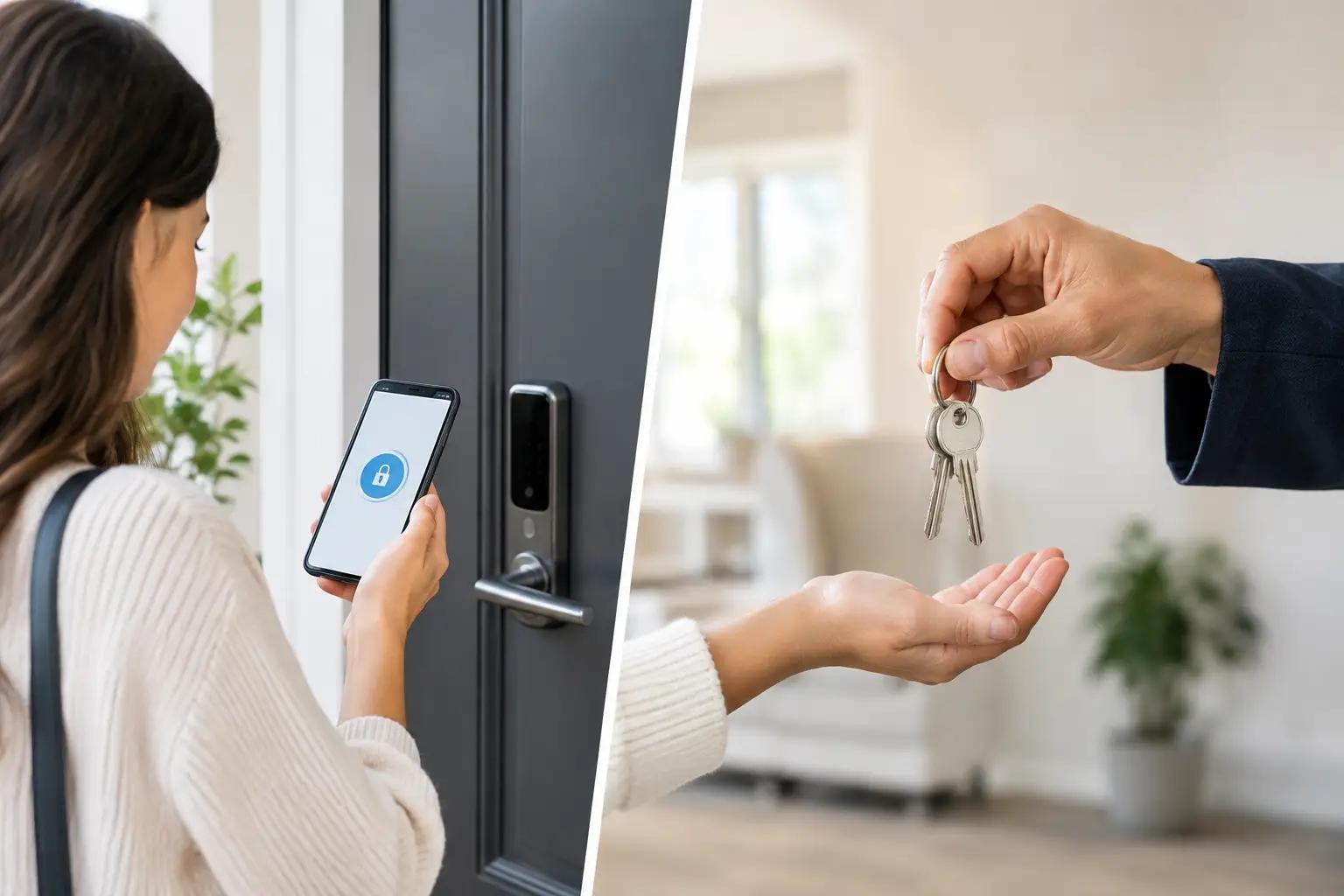
A late train into Zurich, a family arriving after a long drive through the Alps, or hikers reaching a mountain village after sunset all have one immediate question: how do we get in? The choice between self check-in versus key handover shapes that first moment of a stay. It affects convenience, reassurance, staffing, and the personal character guests associate with a vacation rental.
Neither approach is automatically better. A city apartment serving short business stays may benefit from a fast, independent arrival, while a chalet in a less familiar alpine location can feel more welcoming when a host is there to greet guests. The right choice depends on the property, the destination, and the experience you want to provide.
What guests experience at arrival
Self check-in lets guests access the property without meeting the host in person. Access may be provided through a key safe, smart lock, coded entry system, or a concierge arrangement. Before arrival, the guest receives clear instructions, typically including the address, access code or key location, parking details, and any steps needed to enter the property.
The main appeal is flexibility. Guests are not tied to a narrow arrival window, which is particularly useful when flights are delayed, mountain roads take longer than expected, or travelers prefer to set their own pace. For families managing luggage and tired children, knowing they can arrive when ready can remove a great deal of friction.
A key handover, by contrast, creates a personal welcome. The host, property manager, or local representative meets the guest, provides keys, and often gives a brief introduction to the home. This can be as simple as a five-minute greeting or a more detailed orientation covering the heating, parking, waste disposal, ski storage, and local recommendations.
For guests who are new to an area, that welcome can be valuable. A friendly explanation of how to reach the nearest lift station, where to buy fresh bread in the morning, or which walking route begins near the property helps a vacation start with confidence.
Self check-in versus key handover: the real trade-offs
The decision is not simply technology versus hospitality. Both options can be thoughtful, secure, and easy to use when planned well. The differences lie in where the responsibility sits and how much personal support a guest may need.
With self check-in, hosts gain flexibility and can reduce the pressure of coordinating arrivals around changing travel plans. It is especially practical for properties with frequent turnovers, late arrivals, or multiple units. A well-managed digital process can also give hosts a consistent record of when instructions were sent and when guests confirmed their arrival details.
The trade-off is that the arrival information must be exceptionally clear. A confusing access code, a key safe hidden behind vague directions, or a missing explanation of which entrance to use can turn a convenient system into a frustrating first impression. Guests should never have to guess where to park, whether the door locks automatically, or whom to contact if they need help.
Key handover offers a chance to spot questions before they become problems. A host can demonstrate an unusual lock, explain the apartment’s recycling setup, and make sure guests know how to use the fireplace or heating controls. This is particularly helpful in distinctive homes, historic buildings, remote locations, and properties where equipment needs a little introduction.
Its limitation is timing. Travelers may feel rushed if they are trying to meet someone after a delayed journey, while hosts and managers need to keep their schedules open for uncertain arrival times. The personal approach works best when arrival windows are communicated clearly and there is a reliable backup plan for delays.
When self check-in is the stronger choice
Self check-in often suits modern apartments, repeatable property layouts, and guests who value independence. It can work especially well for short city breaks, airport-adjacent stays, and apartments close to public transportation, where arrivals may occur at varied hours.
It is also a natural fit when the property has a straightforward layout and access route. If guests can go from parking area to entrance with clear signage and a few simple steps, there is less need for a face-to-face explanation. Smart locks can simplify access management, while a professionally installed key safe can be a practical alternative where smart entry is not appropriate.
However, self check-in should not mean self-service without support. Hosts should provide a contact method for urgent arrival questions and be ready to assist if a code fails or a traveler cannot locate the entrance. A concise digital welcome guide can add warmth without overwhelming guests: share the essentials before arrival, then offer local ideas once they are settled.
For Swiss holiday rentals, clear instructions are particularly useful where mountain roads, apartment entrances, and parking arrangements may be unfamiliar to international visitors. Photos of the building entrance, parking space, or key safe can prevent uncertainty more effectively than a long block of text.
When a personal key handover adds more value
A key handover is often the better choice when the property itself needs an introduction. Think of a chalet with a wood stove, a lakeside home with private access, a heritage apartment with particular care instructions, or a rural retreat where the final stretch of the journey can be difficult to navigate.
It can also suit premium stays where personal service is part of the promise. Guests booking a special weekend, family celebration, or longer vacation may appreciate being welcomed by someone who knows the home and the area. The interaction does not need to be lengthy. A calm, efficient greeting can feel both polished and genuinely hospitable.
For new hosts, meeting early guests can be useful as well. Their questions reveal where property information is unclear and which details matter most at arrival. Over time, those insights can improve the welcome guide, house information, and guest communications.
A personal handover should still respect the guest’s time. Confirm the approximate arrival period in advance, ask for an update on the day of travel, and make the meeting point unmistakable. If the guest arrives late, offer a simple contingency process rather than leaving them without access.
A hybrid arrival model can offer the best balance
Many successful vacation rentals combine independent access with a human welcome. Guests receive self check-in details before arrival, so a delayed train or late flight does not create a problem. The host then offers a brief welcome call, sends a personal message after check-in, or stops by only if the guest would find it useful.
This approach preserves flexibility while keeping hospitality visible. It is particularly effective for guests who want privacy but still value local knowledge. A message such as, “Let us know when you are settled and we will gladly share our favorite nearby walks and restaurants,” feels attentive without being intrusive.
The hybrid model can also help property managers operate efficiently across several homes. Standardized arrival communications create consistency, while personal support is focused where it matters most: first-time visitors, families with special questions, longer stays, or properties with more complex features.
Build the arrival process around clarity and trust
Whatever method you choose, the guest should receive the same core information at the right time. Send confirmed arrival instructions early enough for travelers to save them before their journey, then repeat the essentials shortly before check-in. Include the full address, a reliable contact number, parking guidance where relevant, access steps, Wi-Fi details, and clear advice on what to do if something does not work.
Keep instructions practical rather than overly detailed. Guests do not need the entire house manual while they are standing outside with bags. Focus first on getting inside comfortably. Information about appliances, local transport, and nearby experiences can follow in a welcome guide inside the home or in a well-organized digital message.
Hosts should also make guest registration and local visitor requirements part of the arrival flow in a clear, respectful way. Digital registration tools can make this easier for both sides, provided guests understand what information is requested and when. A transparent process supports a professional stay from the first message onward.
Choose the arrival that matches your property
For travelers, it is worth checking how arrival works before booking, especially if you expect to arrive late or are visiting a remote destination. For hosts, the question is not whether technology can replace a welcome. It is whether your arrival process makes guests feel expected, informed, and cared for.
CH Rentals is built around the idea that a stay in Switzerland should feel easy to plan and memorable to experience. Whether the door opens with a code or a host hands over the keys, the best arrival is the one that lets guests put down their bags, look around, and begin enjoying the place they came to discover.