Ways to Streamline the Guest Check-In Process
A guest arriving after a long drive through the Alps or a delayed train connection does not want to search through old emails, guess which entrance to use, or wait outside with luggage. The first few minutes at a property set the tone for the entire stay. To streamline the guest check-in process, hosts need to make arrival feel clear, personal, and dependable without creating more work for themselves.
For holiday rental owners, a well-planned check-in does more than save time. It reduces avoidable messages, helps guests settle in faster, protects valuable host time during busy turnover days, and supports the kind of warm welcome travelers remember when they plan their next trip to Switzerland.
Start With the Guest Journey, Not the Technology
The best check-in process follows the way guests actually travel. They book well in advance, begin planning a few days before arrival, navigate an unfamiliar area, and often arrive tired or distracted. A smart lock, an automated message, or digital registration can all help, but none will solve a confusing guest journey on its own.
Map every step from confirmed booking to the moment guests are comfortably inside. Ask where guests are likely to have questions: finding the property, parking, collecting keys, connecting to Wi-Fi, operating heating, or understanding local house rules. Then provide the answer before they need to ask.
This does not mean sending a long manual the moment someone books. Too much information too early is easily missed. Instead, give guests the right details in stages. A booking confirmation can set expectations, while the practical arrival instructions should arrive closer to check-in, when travelers are ready to use them.
Streamline the Guest Check-In Process Before Arrival
A reliable pre-arrival flow prevents most check-in problems. Start by confirming the essential details: arrival date, expected arrival window, number of guests, and a contact number that will work during the journey. If your property requires guest registration, explain the process clearly and request the information through a secure, simple method.
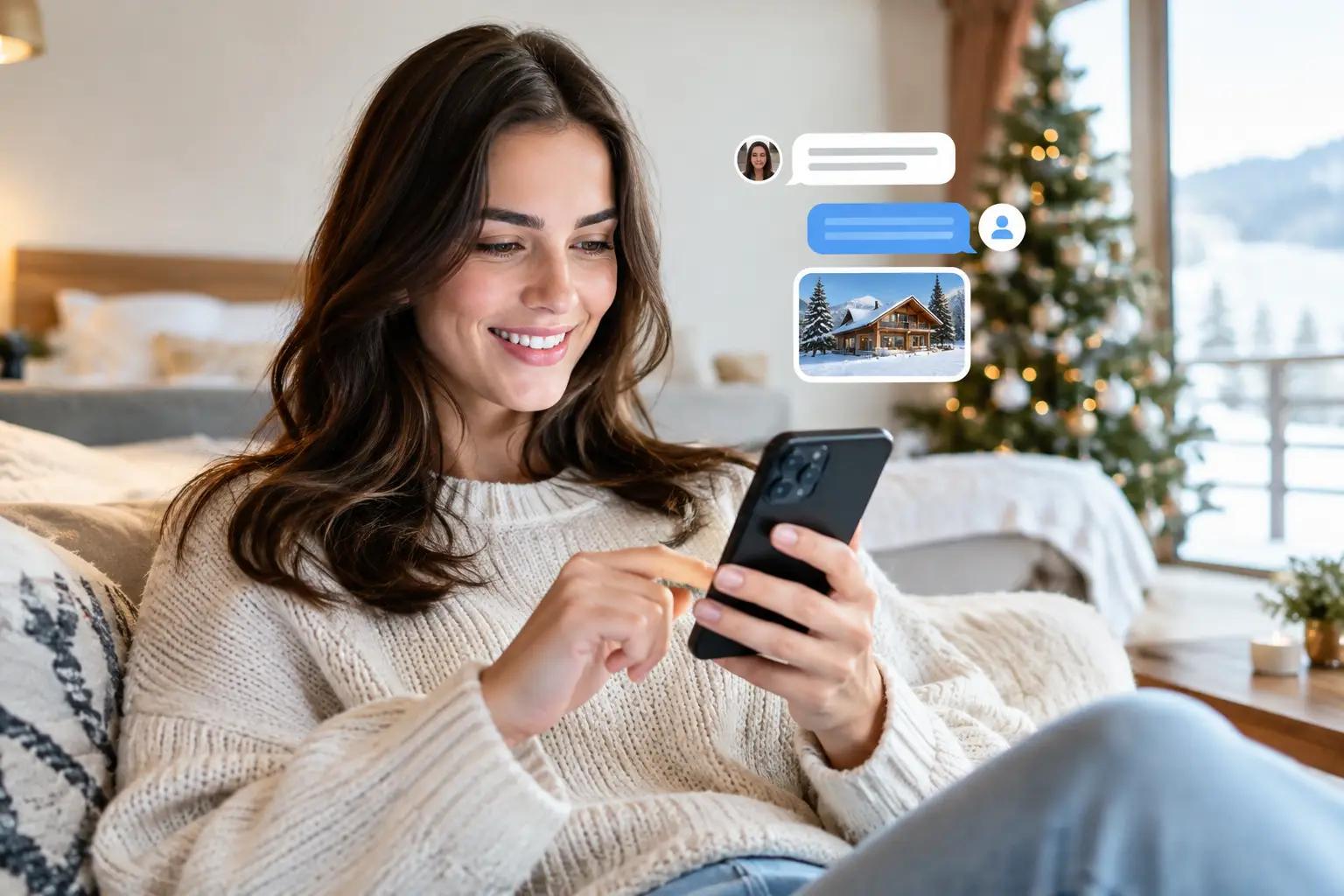
Your arrival message should be easy to scan on a phone. Lead with the property address, the check-in time, and the exact key collection method. Follow with parking guidance, entrance instructions, and a direct contact option for genuine arrival issues. If the property is in a mountain village, include details that navigation apps may miss, such as the correct lane, building sign, garage entrance, or a nearby landmark.
Photos can be especially useful when an entrance is tucked behind another building or keys are stored in a lockbox. A single well-labeled image often saves several messages. Keep instructions current whenever access arrangements change, including seasonal road access, construction nearby, or a new parking layout.
Make timing clear and realistic
Flexible arrival is appealing, but it needs boundaries. If guests can self-check in after a certain time, say so plainly. If an in-person welcome requires a scheduled meeting time, ask guests to confirm their estimate and explain what happens if they are delayed.
For properties with same-day departures and arrivals, avoid promising early access before housekeeping is complete. Guests are generally understanding when expectations are transparent. Offering a nearby luggage option, a local café suggestion, or a scenic place to begin exploring can turn an early arrival into a positive start rather than a disappointment.
Choose the Right Access Method for Your Property
There is no single best check-in method for every rental. The right choice depends on the property, the guest profile, local setup, and how much personal contact you want to offer.
Self-check-in with a smart lock or key safe can work well for city apartments, late arrivals, and hosts managing several properties. It gives guests more flexibility and can reduce coordination on busy travel days. The trade-off is that instructions must be exceptionally clear, and there should be a backup plan if a battery, code, or connection fails.
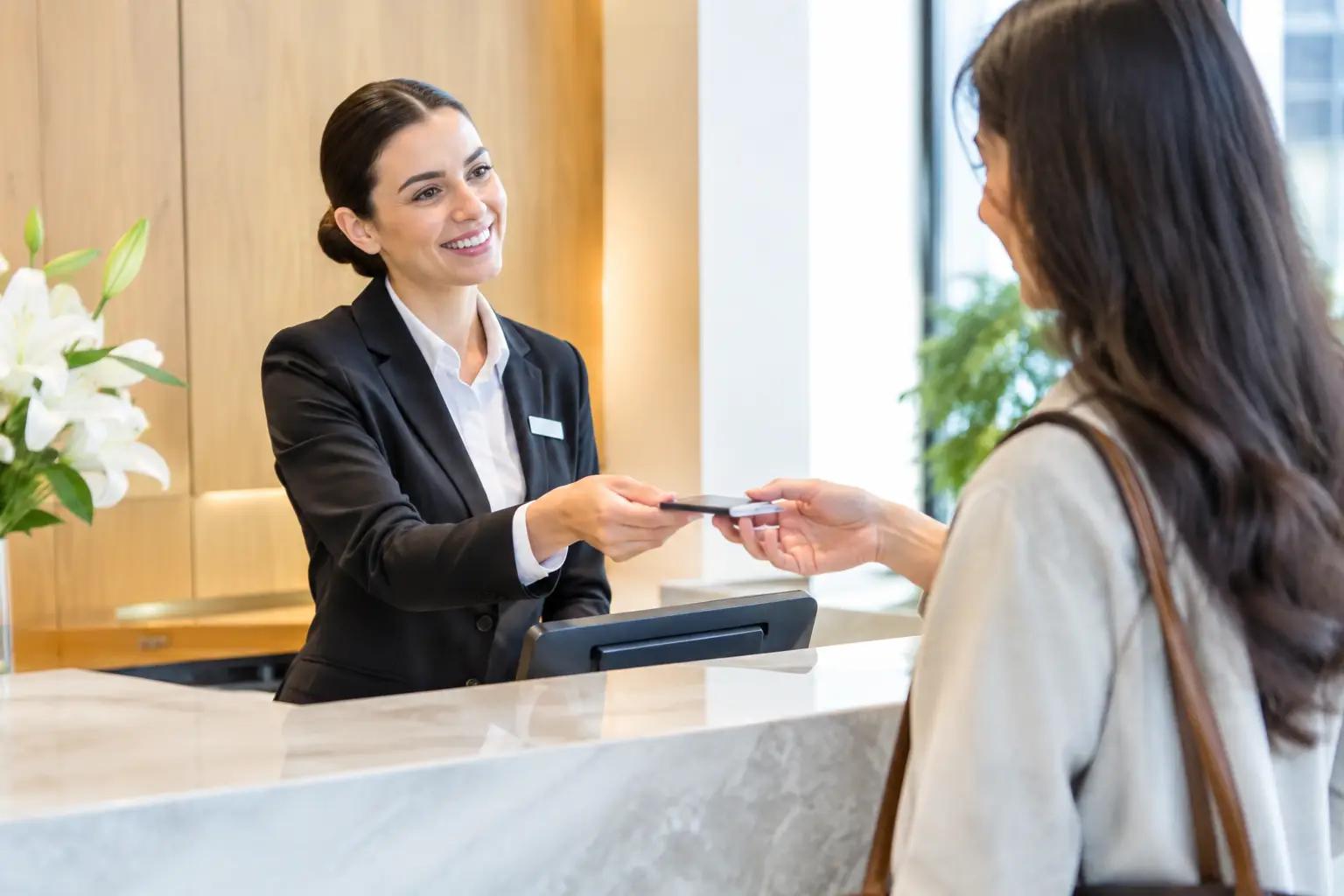
An in-person welcome can be ideal for a chalet, a distinctive heritage home, or a property where guests may benefit from a quick orientation. It creates a more personal first impression and makes it easier to explain amenities. It also requires reliable scheduling, especially during peak arrival hours.
A hybrid approach is often practical. Guests can access the property independently, then receive a welcome call, a short visit the following day, or a well-designed digital guide with local recommendations. This preserves flexibility while still making the stay feel hosted.
Use Digital Tools to Remove Repetitive Work
Technology should take repetitive tasks off a host's plate, not make the guest experience feel automated and distant. Property management tools can schedule pre-arrival messages, collect required guest details, issue entry codes, and notify housekeeping teams when guests have arrived. For a growing portfolio, these workflows create consistency across properties.
Digital guest registration is particularly helpful when it is integrated into the arrival journey rather than presented as a separate administrative task. Keep the form mobile-friendly, explain why the details are being requested, and send a reminder early enough for guests to complete it without pressure at the door.
For hosts using CH Rentals and other connected hospitality tools, the goal is a single source of accurate information. Arrival times, guest communication, property notes, and registration details should not need to be copied manually across multiple systems. Fewer handoffs mean fewer errors.
Automation still needs a human review. Check that the guest received the access code, that their arrival information makes sense, and that special requests have been noted. A family traveling with a child, a guest arriving with skis, or a visitor unfamiliar with the region may need a little extra context.
Build a Welcome That Feels Local
Efficient does not have to mean impersonal. Once guests are inside, help them feel oriented with a short welcome message or digital house guide. Focus on the details that make the first evening easy: Wi-Fi information, heating or cooling instructions, waste and recycling guidance, emergency contacts, and how to reach the host.
Then add a local touch. Recommend a nearby bakery for the morning, a grocery store with practical hours, an easy walk from the property, or the best route to a lift station or lakefront. These small suggestions are especially valuable to international visitors who want to experience Switzerland beyond the accommodation itself.
Keep this guide useful rather than exhaustive. A guest should be able to find the answer to a practical question in seconds. Longer destination inspiration can be offered separately for those who want to plan the rest of their stay.
Prepare for the Exceptions
Even the clearest process should account for the occasional disruption. Phones run out of battery, flights arrive late, weather affects travel times, and guests may overlook a message. A dependable backup plan protects both the guest and the host.
Keep a secondary way to access the property, a clear out-of-hours contact path, and instructions that can be read offline or saved as screenshots. If a cleaner, co-host, or local contact may assist, make sure they have current access and know the guest's expected arrival details.
It also helps to decide which situations require immediate support and which can wait until morning. A missing key code is urgent. A question about the best restaurant nearby may not be. Setting these boundaries allows hosts to remain responsive without being always on call.
Measure What Guests Actually Experience
After checkout, look for patterns rather than relying on assumptions. Are guests frequently asking where to park? Do they arrive unable to find the entrance? Are late arrivals smooth, or do they create extra calls? These questions point directly to the next improvement.
A brief post-stay question about arrival can be more useful than a generic satisfaction survey. Ask whether the directions were easy to follow and whether guests felt supported when they arrived. Positive feedback can confirm that the process works, while recurring confusion is a clear signal to simplify the instructions.
The strongest check-in experience is one guests barely need to think about. When the route is clear, access works, and a thoughtful local welcome is waiting inside, travelers can put down their bags and begin enjoying the Swiss experience from the very first moment.