
Sustainable Stays Demand Is Reshaping Swiss Travel
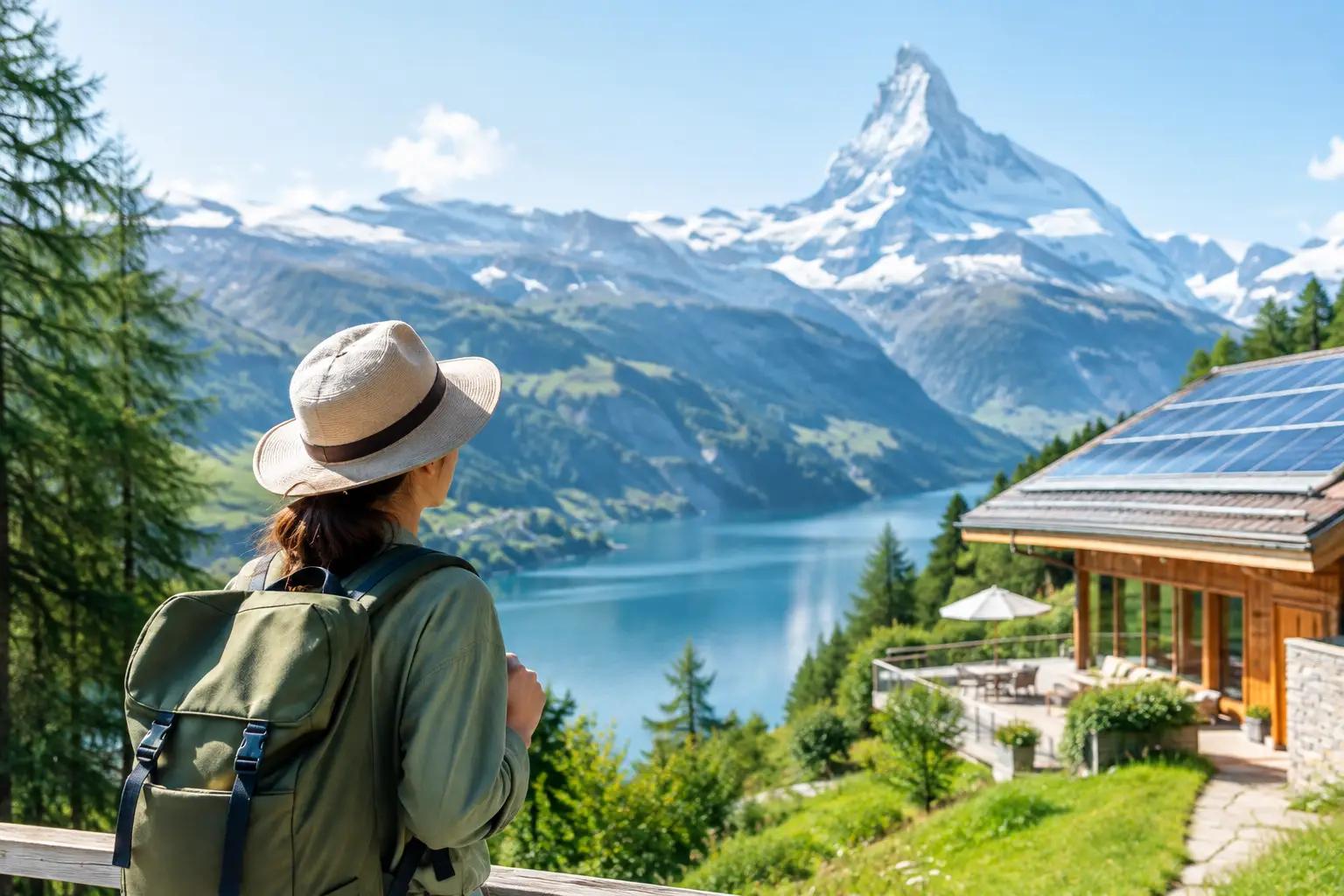
A mountain apartment where guests can arrive by train, refill a water bottle, sort recycling with ease, and spend more time outdoors than behind the wheel offers something increasingly valuable: a stay that feels right for the place. Sustainable stays demand is growing because travelers want their holidays to reflect the landscapes, communities, and experiences they came to enjoy.
For Switzerland, this is less about adding a green label to every property and more about making thoughtful choices practical. Guests still expect a comfortable bed, clear check-in instructions, reliable Wi-Fi, and a great location. Sustainability adds another layer to the decision, especially for travelers who want to reduce unnecessary waste, travel more consciously, and support destinations with care.
Why sustainable stays demand is rising
Travelers are paying closer attention to the impact of their choices, from how they reach a destination to what happens during their stay. A holiday rental can make lower-impact travel easier or harder. Small details matter: proximity to public transportation, bike storage, clear recycling guidance, refillable toiletries, energy-efficient heating, and useful information about local shops and activities.
This interest is particularly natural in Swiss destinations. The appeal of a lakeside break, alpine hike, village weekend, or ski escape depends on clean environments and well-cared-for communities. Many guests do not expect perfection, nor are they looking to sacrifice comfort. They are looking for credible options that help them enjoy the Swiss experience with less friction and less waste.
Demand also varies by guest and trip type. A family may prioritize a kitchen that makes it easy to prepare meals rather than dine out for every occasion. A couple arriving for a car-free weekend may search for a rental near a station. Outdoor travelers may value secure storage for bikes or skis, a drying area for gear, and route recommendations that begin at the doorstep. Understanding these needs helps hosts communicate value in a way that feels useful, not promotional.
What guests look for in a sustainable stay
The strongest sustainability features are often the ones guests can see and use. Travelers want clarity, not vague claims. If a chalet uses renewable electricity where available, has efficient appliances, or offers separate bins for recycling, explain it simply. If the property is a short walk from a bus stop, include that information alongside driving and parking details.
Comfort remains non-negotiable. Asking guests to reuse towels is reasonable when they have clean options and clear communication. Reducing single-use products can be a welcome improvement when soap, shampoo, and cleaning supplies are still convenient and high quality. Lower energy use should never mean a cold apartment or confusing heating controls.
A sustainable stay can also create a more local and memorable trip. Hosts can point guests toward a nearby bakery, farm shop, regional restaurant, walking trail, or family-friendly activity. These recommendations are valuable because they help visitors plan confidently and spread the benefits of tourism beyond the property itself. The best local guidance is specific and current, with practical notes such as opening times, public transit access, or whether reservations are helpful.
Credibility matters more than perfect claims
Guests are increasingly alert to generic environmental messaging. A property does not need to present itself as flawless to make a meaningful difference. In fact, straightforward language builds more trust.
Rather than saying a home is simply “eco-friendly,” describe what is actually in place. Mention refill stations, composting where offered locally, smart thermostats, linen practices, locally made welcome items, or easy transit connections. If a host is still making improvements, that can be communicated honestly too. A clear next step, such as replacing older lighting or improving guest recycling information, shows care without overstating results.
How hosts can respond to sustainable stays demand
For hosts, meeting this demand starts with an honest review of the guest journey. Think from the moment a traveler searches for a stay through check-out. Where can the property remove waste, save energy, or make a car-light visit easier without creating inconvenience?
Start with the operational basics. Maintain heating systems, repair dripping faucets, choose durable furnishings, and provide appliances that work efficiently. These steps can improve the guest experience while reducing avoidable resource use. They also tend to support smoother operations, which matters during busy changeover days.
Then focus on information. A concise digital welcome guide can explain heating controls, recycling rules, public transit options, nearby grocery stores, and respectful behavior in residential areas. It should be easy to scan after a long journey. Guests are far more likely to follow a recycling system, for example, when bins are clearly labeled and the instructions match what they see in the home.
Property descriptions deserve the same attention. Include sustainability-related features where they are relevant, but keep the listing focused on the complete experience. Travelers need to know the number of beds, accessibility details, parking options, kitchen equipment, and nearby attractions. Sustainable features should strengthen the listing, not replace the essentials that help people book.
Make arrival part of the experience
Transportation is often one of the most important parts of a lower-impact trip. Not every property can be reached easily without a car, and there is no need to suggest otherwise. But hosts can make all arrival options clearer.
Share the nearest station or stop, approximate transfer times, walking directions, and local taxi information when appropriate. If parking is limited, be transparent before guests arrive. If a property is well suited to rail travelers, cyclists, or hikers, make that benefit visible in the listing and welcome guide. Clear arrival information reduces stress for guests and prevents unnecessary back-and-forth for hosts.
The business value of thoughtful improvements
Sustainability is not a replacement for good hospitality. It is part of good hospitality when it helps guests feel comfortable, informed, and connected to the destination. A well-organized recycling area, quality refillable amenities, and local recommendations can make a property feel more considered and distinctive.
For hosts, these choices can also support stronger positioning. Travelers comparing similar apartments or chalets may remember the home that made a train arrival simple, offered a practical family kitchen, or shared a favorite local hike. The goal is not to chase every trend. It is to invest in improvements that fit the property, the destination, and the guests most likely to book.
CH Rentals helps travelers discover accommodation designed for the way they want to experience Switzerland, while giving hosts a focused place to present the details that set their stays apart. When sustainability information is accurate and easy to find, it becomes another reason for the right guest to choose with confidence.
Sustainable travel is a shared effort
Hosts cannot carry every part of a trip's environmental impact, and guests should not be expected to navigate unfamiliar local systems without help. The most effective approach is shared and practical. Hosts provide the tools and guidance. Guests use the home respectfully, follow local instructions, and choose travel options that work for their itinerary.
There will always be trade-offs. A remote mountain retreat may require a car, while a city apartment may offer excellent transit but less direct access to nature. Larger groups can use more energy, though sharing one home can also make a trip more efficient than booking several separate rooms. The right choice depends on the destination, season, group, and purpose of the stay.
What matters is progress that guests can feel. A stay that is welcoming, transparent, comfortable, and connected to its surroundings gives travelers a better way to enjoy Switzerland. For hosts, each practical improvement is an opportunity to protect the qualities that make a destination worth returning to.