When Swiss Alpine Stays Quiet, Mountains Speak
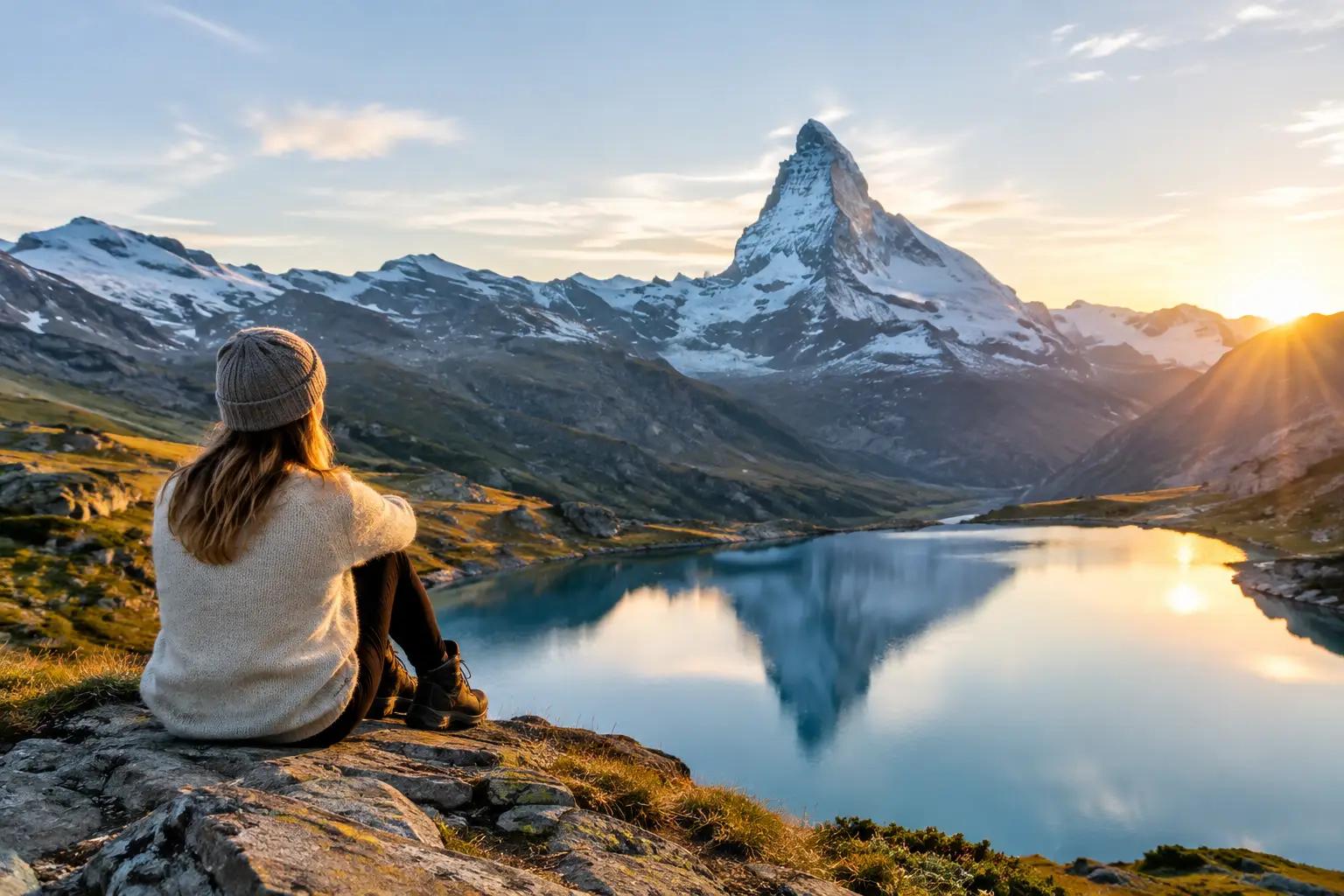
The first lift may not yet be running. A bell sounds from a pasture below, mist lifts from the valley, and the only plan that matters is coffee on the balcony. This is what happens when Swiss alpine stays quiet: the mountains feel less like an itinerary and more like a place to be.
For travelers who prefer space, unhurried meals, and trails that do not begin with a queue, a quieter Alpine break can be one of Switzerland’s most rewarding experiences. It is not about avoiding the mountains at their best. It is about choosing a different kind of best - one shaped by timing, location, and a stay that makes slowing down feel easy.
When Swiss Alpine Stays Quiet, the Experience Changes
The Alpine calendar has clear high points. Snow season brings skiers and winter families, while school vacations and warm summer weekends fill popular villages, lake paths, and cable cars. Those periods have real energy, especially for travelers seeking events, reliable resort services, or a lively village atmosphere.
Yet a quieter stay offers something else. In late spring, meadows begin to turn green while higher slopes still hold snow. Early fall often brings clear walking weather, golden larch forests, and a calmer pace after summer vacations. Even in peak seasons, arriving midweek or staying just beyond the village center can change the feel of a trip.
Quiet does not mean closed or isolated. In smaller mountain communities, some restaurants, lifts, and shops may operate on seasonal schedules, particularly between seasons. That trade-off is worth considering before booking. For many guests, however, the reward is a more personal sense of place: a local bakery with time for conversation, a lakeside path shared with a few early walkers, or an evening when the view is the entertainment.
Choose the Right Kind of Mountain Quiet
Not every peaceful Alpine stay looks the same. A family with young children may want a well-equipped apartment in a village where groceries, playgrounds, and easy walks are nearby. A couple may prefer a chalet above the valley, with a fireplace, private terrace, and room to linger over breakfast. Outdoor travelers might choose a base close to trailheads, rail connections, or a cable car, even if the property itself is modest.
The key is to decide what “quiet” means to you. It can mean fewer people, but it can also mean less driving, fewer check-in complications, or enough space for everyone to relax after a day outside. A remote mountain retreat can be deeply restorative, but it may require a car, careful arrival planning, and a willingness to cook at home. A central apartment in a smaller resort village may offer more convenience while still delivering calm mornings and easy access to nature.
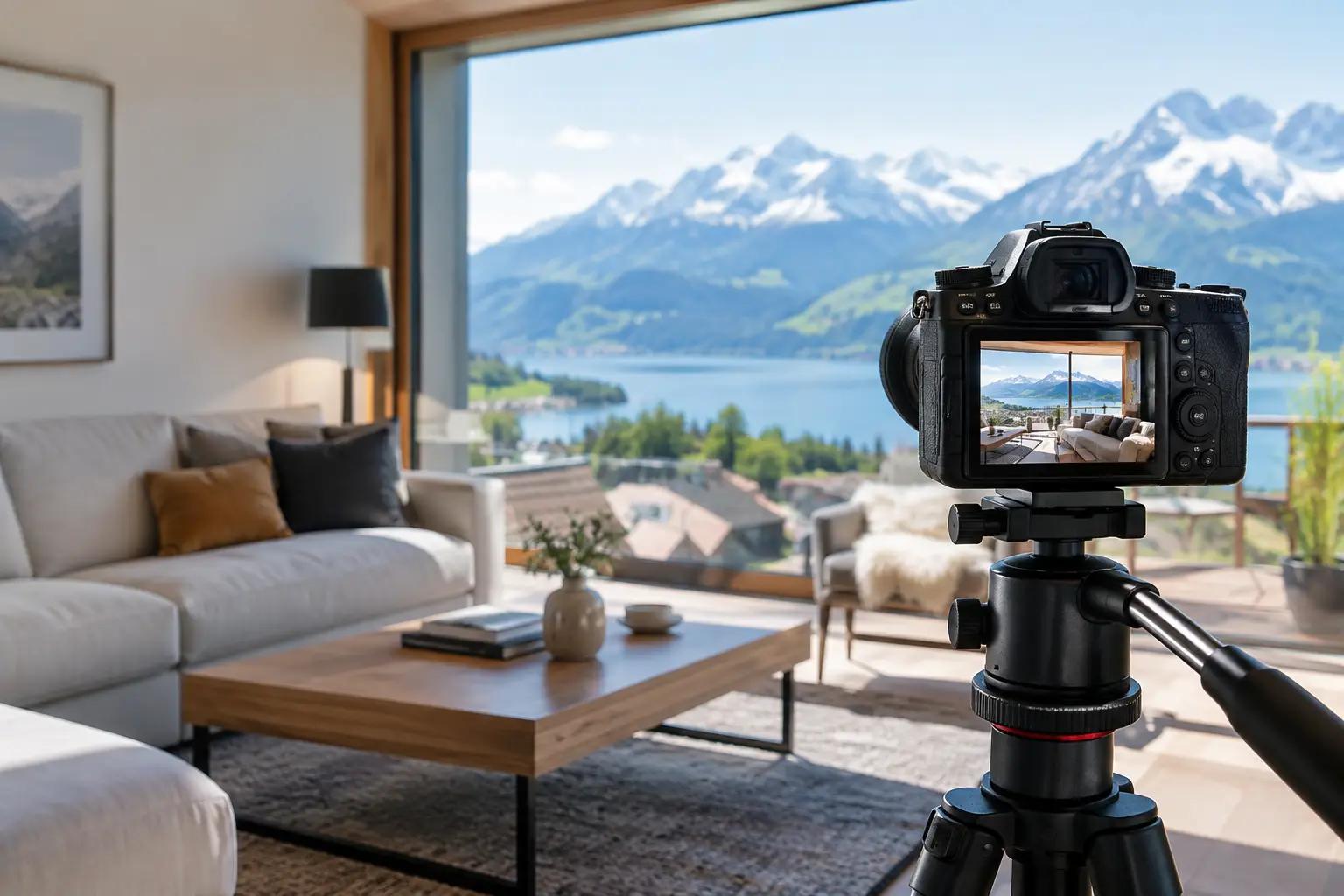
When comparing accommodation, look beyond the number of bedrooms. A balcony facing the valley, a drying area for hiking boots, reliable Wi-Fi for a longer stay, parking, a washer, or a kitchen can make a meaningful difference. In winter, ask about access in snowy conditions and where equipment can be stored. In the warmer months, outdoor seating and proximity to walking routes may matter more than a large living room.
Time Your Trip for Space, Not Just Savings
Traveling outside the busiest weeks can sometimes create better availability across chalets, apartments, and holiday homes. But timing should not be based on price alone. Mountain weather and operating schedules are part of the decision.
May and early June can be beautiful for valley walks, waterfalls, and peaceful lakeside villages, though high-altitude hiking routes may still have snow. September and October often suit travelers who enjoy walking, photography, and regional food, but mountain facilities may reduce hours as the seasons change. Winter outside holiday periods can feel especially tranquil, with crisp mornings and more room on the slopes, although conditions naturally vary by altitude and weather.
A simple approach works well: choose the activities that matter most, then select dates that support them. If panoramic hiking is the priority, check that the routes and mountain transport you hope to use are available. If rest is the priority, a quieter shoulder-season village may be exactly right, even with a shorter restaurant list.
Let the Stay Set the Pace
The most memorable quiet Alpine trips usually leave room for unplanned hours. Rather than changing accommodation every night, consider staying three or four nights in one place. You will have time to learn the view from your window, find your preferred morning walk, and enjoy a slower rhythm without constantly packing.
Start early if you want the mountains at their calmest. The first hour after sunrise can bring clear light, cooler air, and nearly empty paths. Then return for a long breakfast or an afternoon pause while the weather shifts across the peaks. In many areas, a short walk from the village is enough to reach open meadows, forests, or a bench with a remarkable view.
This style of travel also works well for mixed groups. One person can read on the terrace, another can take a more challenging hike, and families can build gentle outdoor time around meals and naps. A thoughtfully chosen holiday rental gives everyone more flexibility than a tightly scheduled stay.
Quiet Travel Is Also Considerate Travel
Peace in the Alps is shared. Mountain villages are working communities, and respectful travel helps preserve the character that visitors come to enjoy. Follow marked routes, close gates behind you, keep noise low around homes and pastures, and give livestock plenty of space. If your accommodation has house guidelines, treat them as local knowledge rather than restrictions.
It also helps to plan realistically. Weather can move quickly in the mountains, and a peaceful day outdoors is more enjoyable with layers, suitable footwear, water, and a backup plan. Public transportation can be an excellent way to reach many Alpine destinations, while a car may be more practical for remote properties or families carrying extra gear. The right choice depends on the destination and the type of stay you have in mind.
For hosts, the quieter periods offer an opportunity to present a property with clarity. Guests planning a slower escape respond to useful details: seasonal access information, the nearest grocery options, work-friendly features, outdoor spaces, and genuine suggestions for low-key local experiences. Clear communication builds confidence before arrival and helps guests appreciate the destination on its own terms.
Find a Base That Feels Like Part of the Landscape
Switzerland’s mountain regions offer many versions of calm. The Bernese Oberland pairs dramatic views with easy access to villages and rail travel. Valais can suit guests looking for sunny slopes, vineyards, and high mountain scenery. Graubünden offers broad valleys, traditional villages, and a strong sense of open space. In the Engadin, crisp light and lakes create a setting that feels quietly expansive in every season.
The best region is not always the most famous one. A property just outside a well-known destination may give you the same mountain access with more privacy at the end of the day. A lesser-known valley may offer exactly the family-friendly paths, local character, or remote-work comfort you need. Use your travel style as the guide, then choose a home that supports it.
CH Rentals makes it easier to compare Swiss stays by location, amenities, and the kind of trip you want to take - whether that means a ski-week apartment, a lakeside escape, or a chalet where the day begins with the sound of cowbells.
A quiet Alpine stay does not ask you to do less because there is less to see. It invites you to notice more: the changing weather, the warmth of a mountain home, and the rare pleasure of having nowhere urgent to be.